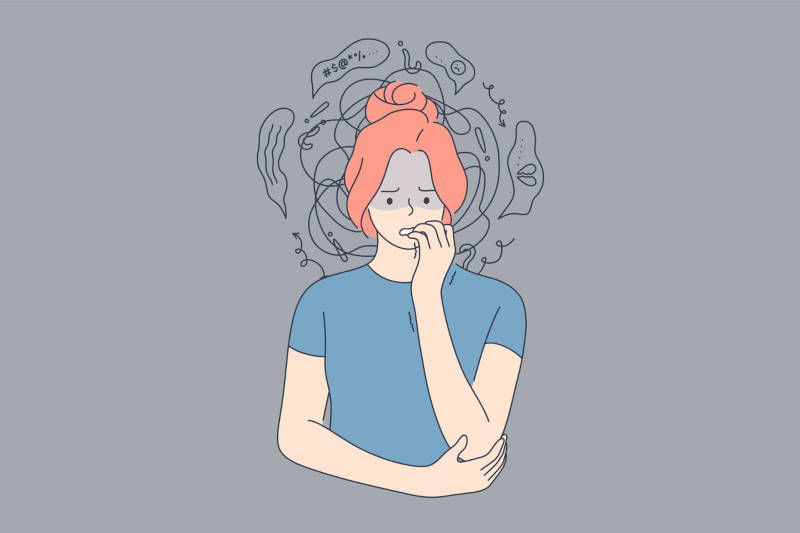



Feeling emotionally drained, exhausted, or disconnected has become increasingly common in today’s fast-paced world. Many people assume they are simply “burned out,” while others worry they may be struggling with depression. Although burnout and depression can look similar on the surface, they are not the same condition. Understanding the difference is critical because each requires a different approach to healing and recovery.
In this guide, we’ll explore the major distinctions between burnout and depression, common warning signs, causes, treatment options, and when it may be time to seek professional help.
What is Burnout?
Burnout is a state of emotional, physical, and mental exhaustion caused by prolonged stress. It is often linked to work-related pressure, caregiving responsibilities, academic stress, or chronic emotional strain.
The World Health Organization (WHO) describes burnout as an occupational phenomenon resulting from unmanaged workplace stress. However, burnout can affect nearly every area of life.
Common Symptoms of Burnout
People experiencing burnout may notice:
- Constant fatigue or low energy
- Feeling overwhelmed
- Reduced productivity
- Increased irritability
- Difficulty concentrating
- Loss of motivation
- Cynicism toward work or responsibilities
- Sleep problems
- Headaches or physical tension
Burnout usually develops gradually over time. Many people push through the exhaustion until they feel emotionally depleted.
What is Depression?
Depression, also known as major depressive disorder, is a serious mental health condition that affects mood, thinking patterns, behavior, and physical health. Unlike burnout, depression is not limited to stress from work or responsibilities.
Depression can impact every part of a person’s life, including relationships, hobbies, appetite, energy levels, and self-worth.
Common Symptoms of Depression
Symptoms of depression may include:
- Persistent sadness or emptiness
- Feelings of hopelessness
- Loss of interest in activities once enjoyed
- Changes in appetite or weight
- Excessive sleeping or insomnia
- Difficulty concentrating
- Feelings of guilt or worthlessness
- Low energy
- Withdrawal from family and friends
- Thoughts of self-harm or suicide
Depression can range from mild to severe and often requires professional treatment.
Burnout vs. Depression: The Key Differences
Although burnout and depression share overlapping symptoms like exhaustion and emotional fatigue, there are several important distinctions.
| Burnout | Depression |
|---|---|
| Usually tied to a specific stressor | Can occur without a clear external cause |
| Primarily affects work or responsibilities | Affects all aspects of life |
| Often improves with rest or time off | Symptoms persist even after rest |
| Feelings of overwhelm | Feelings of hopelessness |
| Emotional exhaustion | Deep sadness or numbness |
| Reduced motivation for specific tasks | Loss of interest in nearly everything |
| Stress-related condition | Clinical mental health disorder |
One of the biggest differences is that burnout often improves when the source of stress is removed. Depression typically continues even when circumstances change.
How Burnout Can Lead to Depression
Burnout and depression are different, but they can become connected over time. Chronic stress places enormous strain on the body and mind. When burnout is left untreated, it can increase the risk of developing anxiety or depression.
For example, someone working long hours with little support may initially feel exhausted and detached from work. Over time, that emotional exhaustion may evolve into persistent sadness, hopelessness, and social withdrawal — signs more consistent with depression.
This is why early intervention matters.
Emotional Symptoms: Spotting the Difference
Burnout Often Feels Like Emotional Exhaustion
People experiencing burnout commonly say:
- “I can’t keep up anymore.”
- “I’m mentally drained.”
- “I just need a break.”
The stress usually feels connected to specific responsibilities.
Depression Often Feels Like Emotional Emptiness
People with depression may say:
- “Nothing matters anymore.”
- “I feel numb.”
- “I don’t enjoy anything.”
Depression tends to affect a person’s entire emotional world, not just stressful situations.
Physical Symptoms of Burnout and Depression
Both conditions can create physical symptoms because the mind and body are deeply connected.
Burnout Physical Symptoms
- Muscle tension
- Fatigue after work
- Frequent headaches
- Digestive issues
- Trouble sleeping due to stress
Depression Physical Symptoms
- Persistent exhaustion
- Appetite changes
- Slowed movement or speech
- Chronic body aches
- Sleeping too much or too little
If physical symptoms continue for weeks or interfere with daily life, professional evaluation is important.
Who is Most at Risk for Burnout?
Burnout can affect anyone, but some groups face higher risks.
High-Risk Professions
- Healthcare workers
- First responders
- Teachers
- Social workers
- Executives
- Caregivers
Lifestyle Factors
People are also more vulnerable to burnout when they:
- Work long hours
- Have poor work-life balance
- Lack social support
- Experience financial stress
- Have perfectionist tendencies
Who is Most at Risk for Depression?
Depression can affect people of all ages and backgrounds.
Risk Factors Include
- Family history of mental illness
- Trauma or abuse
- Chronic stress
- Substance abuse
- Medical conditions
- Major life changes
- Social isolation
Depression is not a sign of weakness. It is a legitimate medical condition that deserves compassionate treatment.
When Should You Seek Help?
Many people delay treatment because they believe they should simply “push through” their symptoms. Unfortunately, untreated burnout and depression can worsen over time.
Seek Professional Help If You Experience:
- Persistent sadness
- Severe exhaustion
- Panic attacks
- Difficulty functioning daily
- Loss of interest in life
- Isolation from loved ones
- Thoughts of self-harm
- Substance misuse to cope
Mental health treatment can provide support, coping skills, and a safe path toward recovery.
Treatment Options for Burnout
Treatment for burnout often focuses on stress reduction and lifestyle changes.
Healthy Recovery Strategies
- Taking time off work
- Setting healthier boundaries
- Improving sleep habits
- Practicing mindfulness
- Exercise and nutrition
- Therapy or counseling
- Reconnecting with hobbies and relationships
Many people benefit from learning stress-management techniques and improving work-life balance.
Treatment Options for Depression
Depression often requires a more structured treatment approach.
Professional Depression Treatment May Include
- Individual therapy
- Cognitive Behavioral Therapy (CBT)
- Medication management
- Group therapy
- Holistic wellness approaches
- Dual diagnosis treatment if addiction is involved
Treatment plans should always be personalized to the individual’s needs.
The Connection Between Mental Health and Addiction
Some individuals attempt to cope with burnout or depression through alcohol or drug use. Unfortunately, substance use can intensify emotional distress and create additional mental health challenges.
This is known as co-occurring disorders or dual diagnosis, where addiction and mental health conditions occur together. Integrated treatment that addresses both issues simultaneously often leads to better long-term outcomes.
How to Support Someone Struggling
If someone you care about may be experiencing burnout or depression:
Helpful Ways to Support Them
- Listen without judgment
- Encourage professional help
- Offer practical support
- Avoid minimizing their feelings
- Stay connected consistently
Even small acts of compassion can make a meaningful difference.
Get Help at Pioneer Behavioral Health

You don’t have to face burnout, depression, or addiction alone. Our compassionate team at Pioneer Behavioral Health provides personalized mental health and addiction treatment in a supportive, healing environment.
Pioneer Behavioral Health
Whether you’re experiencing emotional exhaustion, depression, anxiety, or co-occurring substance use challenges, professional treatment can help you regain stability, clarity, and hope for the future.
Take the first step today by contacting Pioneer Behavioral Health and learning more about your treatment options.