

Healthy boundaries are one of the most important yet overlooked aspects of mental health and addiction recovery. Many people struggle with anxiety, depression, stress, burnout, or substance use because they have difficulty setting limits with others, managing their time, or protecting their emotional well-being. Without boundaries, it becomes easy to feel overwhelmed, resentful, exhausted, or trapped in unhealthy relationships and situations.
Whether someone is working through a mental health condition, recovering from substance use, or simply trying to improve their quality of life, learning to establish and maintain healthy boundaries can create a stronger foundation for long-term wellness. Boundaries help individuals protect their emotional energy, prioritize their needs, and develop healthier relationships that support recovery rather than undermine it.
What Are Healthy Boundaries?
Healthy boundaries are the limits and guidelines people establish to protect their physical, emotional, mental, and personal well-being. They help define what behaviors are acceptable and unacceptable in relationships, work environments, and everyday interactions.
Boundaries can include:
- Saying no to requests that feel overwhelming
- Limiting contact with toxic individuals
- Protecting personal time and space
- Communicating needs clearly and respectfully
- Refusing behaviors that threaten recovery or mental health
- Setting expectations in relationships
Boundaries are not about controlling other people. Instead, they are about determining what actions you will take to protect your own well-being when situations become unhealthy or harmful.
Why Are Boundaries Important for Mental Health?
Boundaries support mental health by reducing stress, preventing emotional exhaustion, and helping people maintain a sense of control over their lives.
When individuals consistently ignore their own needs to please others, they often experience increased anxiety, frustration, and resentment. Over time, this can contribute to symptoms of depression, burnout, and chronic stress.
Healthy boundaries promote:
- Improved self-esteem
- Greater emotional stability
- Reduced anxiety
- Better stress management
- Stronger relationships
- Increased confidence
People who maintain healthy boundaries often feel more empowered because they are actively protecting their emotional and psychological well-being rather than constantly reacting to the demands of others.
How Do Poor Boundaries Affect Mental Health?
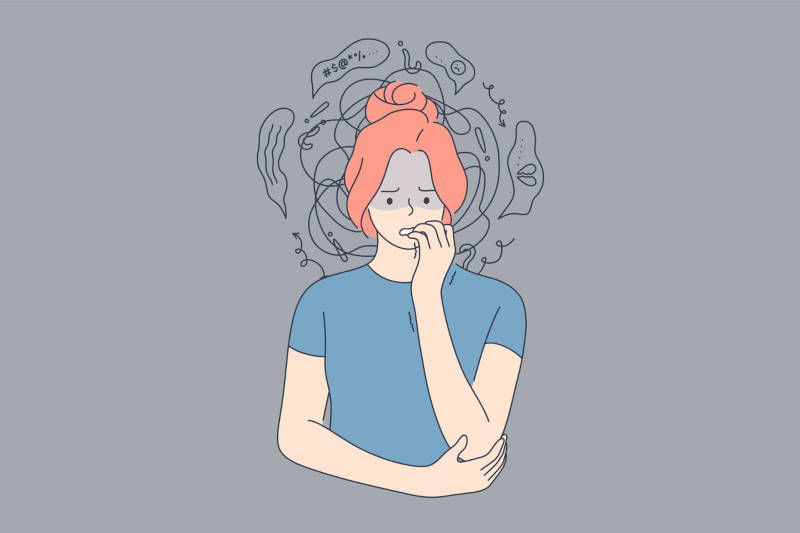
Poor boundaries can have a significant negative impact on mental health. When people struggle to establish limits, they may become vulnerable to unhealthy relationships, emotional manipulation, excessive stress, and feelings of helplessness.
Common signs of poor boundaries include:
- Difficulty saying no
- Feeling responsible for other people’s emotions
- Constant people-pleasing
- Fear of disappointing others
- Ignoring personal needs
- Taking on too many responsibilities
Over time, these patterns can create chronic emotional strain. Individuals may feel trapped by obligations, overwhelmed by expectations, or emotionally depleted from giving more than they can sustain.
Without healthy boundaries, mental health symptoms often become more difficult to manage.
How Do Boundaries Support Addiction Recovery?
Boundaries play a critical role in addiction recovery because they help protect individuals from situations, relationships, and behaviors that could increase the risk of relapse.
Recovery often requires significant lifestyle changes. This may include distancing oneself from people who encourage substance use, avoiding high-risk environments, or creating routines that support sobriety.
Examples of recovery-focused boundaries include:
- Avoiding social situations where substances are present
- Limiting contact with enabling individuals
- Protecting time for therapy, support groups, or self-care
- Refusing offers of drugs or alcohol
- Establishing clear expectations with family members
These boundaries help create a safer environment where recovery can grow and strengthen over time.
Why Do Many People Struggle to Set Boundaries?
Many people were never taught how to establish healthy boundaries. Some grew up in environments where their needs were minimized, ignored, or criticized. Others learned that pleasing others was necessary to maintain relationships or avoid conflict.
Fear often plays a major role in boundary difficulties. People may worry that setting limits will cause others to become angry, disappointed, or rejecting.
Common fears include:
- Fear of conflict
- Fear of abandonment
- Fear of being perceived as selfish
- Fear of hurting someone’s feelings
- Fear of rejection
While these fears are understandable, avoiding boundaries often creates greater emotional distress in the long run. Learning to tolerate temporary discomfort can lead to healthier and more sustainable relationships.
What Are the Signs That You Need Stronger Boundaries?
There are several warning signs that indicate a person may benefit from stronger boundaries.
These signs include:
- Frequently feeling overwhelmed
- Constantly putting others first
- Feeling resentful toward friends, family, or coworkers
- Struggling with guilt after saying no
- Experiencing emotional exhaustion
- Feeling responsible for fixing other people’s problems
- Neglecting self-care due to obligations
If these experiences are common, it may be time to evaluate where personal limits need to be strengthened.
Recognizing boundary issues is often the first step toward creating meaningful and lasting change.
How Can You Set Healthy Boundaries Effectively?
Setting healthy boundaries starts with identifying personal needs, values, and limits. People must first understand what feels acceptable and what negatively impacts their well-being.
Effective boundary-setting strategies include:
Communicate Clearly
Use direct and respectful language. Clear communication reduces confusion and helps others understand expectations.
Be Consistent
Boundaries are most effective when they are maintained consistently. Repeatedly changing limits can create confusion and make boundaries more difficult to enforce.
Practice Saying No
Saying no is a valuable skill that protects emotional energy and prevents overcommitment. A simple and respectful response is often enough.
Expect Some Resistance
Not everyone will respond positively to new boundaries. Individuals who benefited from the absence of limits may push back initially. This does not mean the boundary is wrong.
Prioritize Self-Care
Healthy boundaries create space for activities that support physical, emotional, and mental wellness.
Over time, boundary-setting becomes easier as confidence and self-respect grow.
How Do Healthy Boundaries Improve Relationships?
Contrary to popular belief, boundaries do not damage healthy relationships. In many cases, they strengthen them.
Healthy boundaries create clarity, mutual respect, and realistic expectations. They reduce resentment because individuals are less likely to feel taken advantage of or emotionally depleted.
When people communicate their needs honestly, relationships often become:
- More respectful
- More balanced
- More trustworthy
- More supportive
- Less conflict-driven
Healthy relationships allow both individuals to maintain their identities, priorities, and emotional well-being while remaining connected.
Can Therapy Help People Build Better Boundaries?
Yes. Therapy can be extremely helpful for individuals who struggle with boundaries, especially when those difficulties are connected to trauma, anxiety, depression, low self-esteem, codependency, or substance use disorders.
Mental health professionals can help individuals:
- Identify unhealthy relationship patterns
- Understand the origins of boundary challenges
- Develop assertiveness skills
- Build self-confidence
- Learn effective communication strategies
- Create recovery-supportive environments
For many people, therapy provides a safe space to practice new behaviors and gain confidence in protecting their emotional health.
What Is the Long-Term Benefit of Healthy Boundaries?
Healthy boundaries create a foundation for long-term mental wellness and recovery. They help individuals manage stress more effectively, maintain healthier relationships, and protect the progress they make in treatment.
Over time, strong boundaries contribute to:
- Greater self-respect
- Improved emotional resilience
- Reduced stress and anxiety
- Healthier relationships
- Better recovery outcomes
- Increased overall life satisfaction
While setting boundaries can feel uncomfortable at first, the long-term benefits often far outweigh the temporary discomfort. By protecting their time, energy, and emotional well-being, individuals can create a healthier and more balanced life.
Learn How to Build Healthy Boundaries at Pioneer Behavioral Health
If you or someone you love is struggling with mental health challenges, substance use, or difficulties maintaining healthy boundaries, professional support can help. Pioneer Behavioral Health provides compassionate, evidence-based treatment for individuals seeking lasting recovery and improved emotional well-being.
Pioneer Behavioral Health has convenient locations at:
Our experienced team offers personalized treatment for mental health disorders, substance use disorders, and co-occurring conditions in a supportive and healing environment.
Call 844-609-3018 today to learn more about treatment options and take the first step toward a healthier future.