

Trauma can leave invisible wounds that affect every part of a person’s life. While some people recover naturally over time, others experience long-lasting emotional, psychological, and physical effects that interfere with daily functioning. Understanding how trauma impacts mental health and paths to healing is essential for individuals, families, and communities seeking recovery and hope.
Whether trauma stems from childhood abuse, domestic violence, addiction, military combat, grief, accidents, or other distressing experiences, the effects can shape how people think, feel, and relate to the world around them. The good news is that healing is possible. With proper support, therapy, and compassionate care, individuals can regain stability and rebuild meaningful lives.
What Is Trauma?
Trauma is an emotional response to a deeply distressing or disturbing event. It occurs when a person experiences something overwhelming that exceeds their ability to cope effectively.
Trauma can result from:
- Physical or emotional abuse
- Sexual assault
- Neglect during childhood
- Witnessing violence
- Natural disasters
- Car accidents
- Sudden loss of a loved one
- Substance abuse within the family
- Military combat
- Medical emergencies
Not everyone responds to trauma in the same way. Two people can experience the same event but process it differently based on personality, support systems, genetics, and previous life experiences.
How Trauma Impacts Mental Health
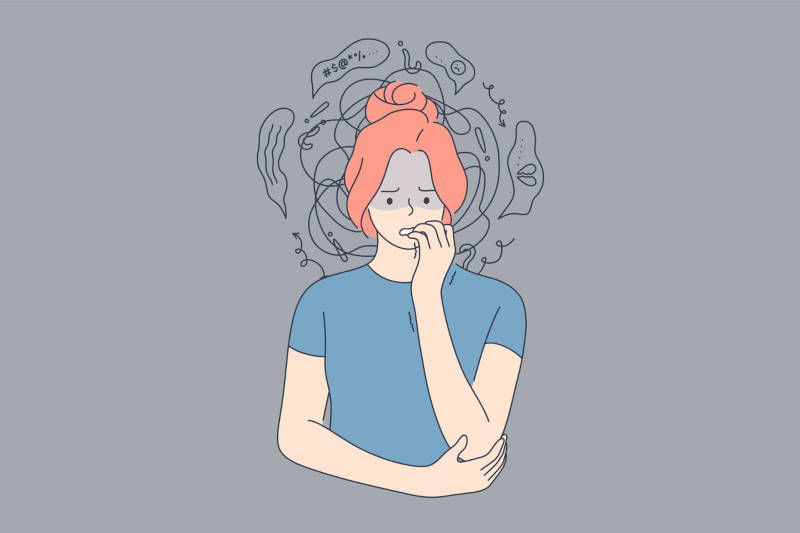
Trauma affects both the brain and body. It changes how people process stress, emotions, and relationships. For many individuals, traumatic experiences create ongoing mental health challenges that can persist for years if left untreated.
1. Anxiety Disorders
One of the most common effects of trauma is chronic anxiety. Trauma can place the nervous system in a constant state of alertness, making individuals feel unsafe even when no danger exists.
Symptoms may include:
- Panic attacks
- Racing thoughts
- Excessive worry
- Difficulty sleeping
- Irritability
- Hypervigilance
People who have experienced trauma may constantly anticipate danger, leading to emotional exhaustion and isolation.
2. Depression
Trauma often contributes to feelings of hopelessness, sadness, and emotional numbness. Many individuals struggle with low self-worth and lose interest in activities they once enjoyed.
Depression linked to trauma may involve:
- Persistent sadness
- Lack of motivation
- Social withdrawal
- Changes in appetite
- Fatigue
- Thoughts of self-harm
When unresolved trauma lingers, emotional pain can become overwhelming without professional treatment.
3. Post-Traumatic Stress Disorder (PTSD)
PTSD is a serious mental health condition that can develop after experiencing or witnessing trauma. Individuals with PTSD may relive traumatic memories through flashbacks, nightmares, or intrusive thoughts.
Common PTSD symptoms include:
- Emotional distress triggered by reminders
- Avoidance behaviors
- Difficulty trusting others
- Sleep disturbances
- Intense fear or anger
- Feeling emotionally disconnected
PTSD can affect work, relationships, and physical health, making early intervention critical.
4. Substance Use and Addiction
Many people turn to drugs or alcohol to numb emotional pain caused by trauma. While substances may provide temporary relief, they often worsen mental health symptoms over time.
Trauma and addiction are closely connected because substances can become a coping mechanism for:
- Anxiety
- Depression
- Emotional numbness
- Shame
- Fear
- Loneliness
Unfortunately, addiction can create additional trauma, leading to a cycle that feels impossible to escape without professional support.
5. Relationship Difficulties
Trauma can deeply affect trust and emotional intimacy. Individuals who have experienced betrayal, abuse, or neglect may struggle to form healthy relationships.
Trauma-related relationship challenges may include:
- Fear of abandonment
- Difficulty communicating emotions
- Emotional detachment
- Anger issues
- Codependency
- Difficulty setting boundaries
Without healing, trauma can continue affecting family dynamics, friendships, and romantic relationships for years.
The Physical Effects of Trauma
Mental health and physical health are closely connected. Trauma does not only impact emotions—it can also affect the body.
Research shows trauma may contribute to:
- Chronic pain
- Headaches
- Digestive issues
- Heart disease
- Fatigue
- Muscle tension
- Weakened immune function
When the body remains in a prolonged stress response, it can struggle to regulate hormones and nervous system functioning.
Signs Someone May Be Struggling With Trauma
Trauma symptoms can appear differently from person to person. Some individuals openly express emotional pain, while others hide their struggles.
Common signs include:
| Emotional Symptoms | Behavioral Symptoms |
|---|---|
| Anxiety | Substance use |
| Mood swings | Isolation |
| Fearfulness | Risky behavior |
| Emotional numbness | Anger outbursts |
| Shame or guilt | Avoidance of situations |
| Sadness | Sleep problems |
Recognizing these warning signs can encourage individuals to seek help before symptoms worsen.
Healthy Paths to Healing
Healing from trauma takes time, patience, and support. Recovery is not about “forgetting” painful experiences—it is about learning how to process them in healthy ways.
1. Professional Therapy
Therapy is one of the most effective tools for trauma recovery. Licensed mental health professionals help individuals understand their experiences and develop coping strategies.
Evidence-based therapies include:
- Cognitive Behavioral Therapy (CBT)
- Dialectical Behavior Therapy (DBT)
- EMDR (Eye Movement Desensitization and Reprocessing)
- Trauma-focused therapy
- Group counseling
Therapy provides a safe environment where people can heal without judgment.
2. Addiction Treatment Programs
For individuals struggling with both trauma and substance use, integrated treatment is essential. Treating addiction without addressing underlying trauma often leads to relapse.
Comprehensive addiction and mental health treatment may include:
- Detox support
- Individual counseling
- Group therapy
- Relapse prevention
- Family therapy
- Medication management
Dual diagnosis treatment helps individuals heal emotionally while building long-term recovery skills.
3. Building a Support System
Isolation often worsens trauma symptoms. Healthy support systems can provide encouragement, accountability, and emotional safety.
Support may come from:
- Family members
- Trusted friends
- Therapists
- Peer recovery groups
- Faith communities
- Support groups
Human connection plays a major role in emotional healing.
4. Practicing Self-Care
Self-care is not selfish—it is an important part of recovery. Trauma survivors often neglect their physical and emotional needs.
Healthy self-care practices include:
- Regular exercise
- Mindfulness meditation
- Healthy sleep habits
- Balanced nutrition
- Journaling
- Creative expression
- Spending time outdoors
Even small daily habits can help regulate emotions and reduce stress.
5. Learning Healthy Coping Skills
Trauma can make people feel powerless. Developing healthy coping skills helps restore a sense of control and emotional balance.
Helpful coping techniques include:
- Deep breathing exercises
- Grounding techniques
- Positive affirmations
- Structured routines
- Emotional regulation skills
Over time, these strategies can reduce anxiety and improve resilience.
Why Early Treatment Matters
Untreated trauma can become more severe over time. Early intervention improves long-term outcomes and reduces the risk of addiction, self-harm, and chronic mental health conditions.
Seeking help early can:
- Improve emotional stability
- Strengthen relationships
- Reduce substance use
- Increase self-confidence
- Improve physical health
- Enhance quality of life
Healing is not linear, but every step toward recovery matters.
Breaking the Stigma Around Trauma and Mental Health
Many people avoid seeking treatment because they fear judgment or believe they should “handle it alone.” Unfortunately, stigma often prevents individuals from getting the help they need.
The truth is that trauma responses are human responses. Asking for support is a sign of strength, not weakness.
By encouraging open conversations about mental health, communities can create safer spaces where healing becomes possible.
Find Hope and Healing at Pioneer Behavioral Health
If you or a loved one is struggling with trauma, mental health challenges, or addiction, you do not have to face it alone. At Pioneer Behavioral Health, we provide compassionate, evidence-based care designed to support long-term healing and recovery.
Our experienced team understands the deep connection between trauma, mental health, and substance use. We offer personalized treatment plans in a supportive environment where individuals can rebuild their lives with dignity and hope.
Contact Pioneer Behavioral Health Today
Take the first step toward healing today. Recovery is possible, and help is available when you need it most.