

Trauma is a word that is often used casually in everyday conversation, but in mental health care, trauma has a very specific meaning. Experiencing trauma can affect a person emotionally, mentally, and physically long after a difficult event has passed. While many people recover naturally over time, others may develop more serious mental health conditions such as Post-Traumatic Stress Disorder (PTSD) or Complex PTSD (C-PTSD).
Understanding the differences between trauma, PTSD, and Complex PTSD is important because each experience affects people in unique ways and may require different types of treatment and support. By recognizing the signs and symptoms early, individuals can seek help before these conditions begin interfering with daily life, relationships, work, and overall well-being.
What Is Trauma?
Trauma refers to the emotional and psychological response to a deeply distressing or disturbing event. Traumatic experiences can overwhelm a person’s ability to cope, leaving them feeling helpless, frightened, unsafe, or emotionally shattered.
Trauma can result from a single event or repeated exposure to stressful situations. Common causes of trauma include:
- Physical or sexual abuse
- Domestic violence
- Serious accidents
- Natural disasters
- Military combat
- Sudden loss of a loved one
- Childhood neglect
- Emotional abuse
- Medical emergencies
- Witnessing violence
Not everyone who experiences trauma develops PTSD or Complex PTSD. In fact, many people experience temporary emotional reactions that improve with time, support, and healthy coping mechanisms.
Common Emotional Responses to Trauma
After a traumatic event, it is normal to experience symptoms such as:
- Fear or anxiety
- Shock or disbelief
- Difficulty sleeping
- Mood swings
- Irritability
- Trouble concentrating
- Emotional numbness
- Flashbacks or intrusive memories
These reactions may last days or weeks after the event. For many individuals, symptoms gradually lessen as the brain and body process the experience. However, when symptoms persist or worsen over time, PTSD or Complex PTSD may develop.
What Is PTSD?
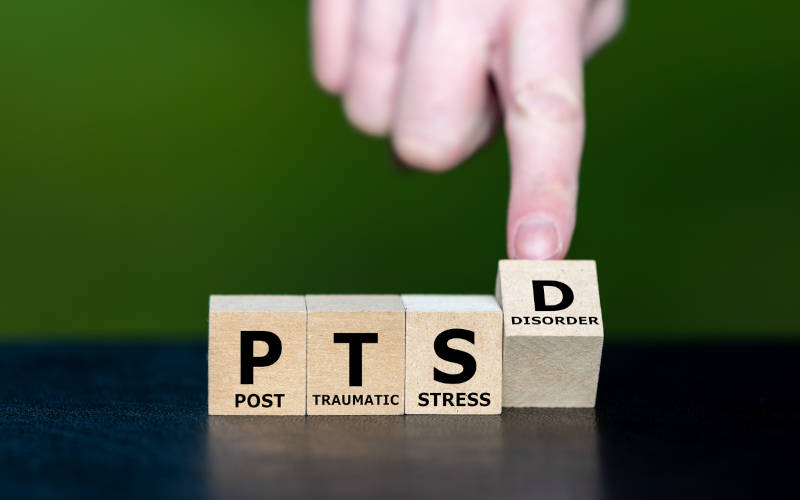
Post-Traumatic Stress Disorder (PTSD) is a mental health condition that can occur after someone experiences or witnesses a traumatic event. PTSD goes beyond the normal stress response and involves long-term symptoms that interfere with daily functioning.
PTSD can develop after a single traumatic incident, such as a car accident, assault, military combat experience, or natural disaster.
To be diagnosed with PTSD, symptoms generally last longer than one month and significantly affect a person’s quality of life.
Common Symptoms of PTSD
PTSD symptoms typically fall into four categories:
1. Intrusive Thoughts
People with PTSD often relive the traumatic event through:
- Flashbacks
- Nightmares
- Disturbing memories
- Emotional distress triggered by reminders
These intrusive symptoms can feel intense and uncontrollable.
2. Avoidance
Many individuals with PTSD avoid reminders of the trauma, including:
- Certain places
- Conversations
- People
- Activities
- Thoughts or emotions connected to the event
Avoidance may temporarily reduce distress but often worsens symptoms over time.
3. Negative Changes in Mood and Thinking
PTSD can change how someone views themselves and the world. Symptoms may include:
- Persistent fear or guilt
- Depression
- Emotional numbness
- Loss of interest in activities
- Difficulty feeling positive emotions
- Feelings of detachment from others
4. Hyperarousal and Reactivity
People with PTSD may remain in a constant state of alertness. This can lead to:
- Difficulty sleeping
- Irritability
- Angry outbursts
- Being easily startled
- Panic attacks
- Difficulty concentrating
PTSD can affect relationships, careers, physical health, and overall emotional stability. Without treatment, symptoms may continue for years.
What Is Complex PTSD?
Complex PTSD (C-PTSD) is similar to PTSD but develops from prolonged or repeated trauma, especially during childhood or within relationships where escape feels impossible.
Complex PTSD often results from experiences such as:
- Childhood abuse or neglect
- Long-term domestic violence
- Human trafficking
- Ongoing emotional abuse
- Chronic bullying
- Repeated sexual abuse
- Captivity or torture
Unlike PTSD, which is often tied to a single traumatic event, Complex PTSD develops after ongoing exposure to trauma over months or years.
Symptoms of Complex PTSD
Individuals with Complex PTSD experience many of the same symptoms as PTSD, including flashbacks, nightmares, avoidance, and hypervigilance. However, C-PTSD also includes additional symptoms related to emotional regulation, identity, and relationships.
Emotional Dysregulation
People with Complex PTSD often struggle to manage emotions. They may experience:
- Intense anger
- Chronic sadness
- Emotional numbness
- Sudden emotional outbursts
- Persistent shame or guilt
Negative Self-Perception
Complex PTSD can deeply affect a person’s self-esteem and identity. Individuals may feel:
- Worthless
- Broken
- Permanently damaged
- Unlovable
- Hopeless
Relationship Difficulties
Because Complex PTSD often develops in abusive or unsafe relationships, trust becomes difficult. Individuals may:
- Fear intimacy
- Avoid relationships
- Become overly dependent on others
- Struggle with boundaries
- Feel isolated or disconnected
Dissociation
Some people with Complex PTSD experience dissociation, which involves feeling detached from reality, emotions, or even their own bodies. Dissociation can become a coping mechanism for surviving chronic trauma.
Key Differences Between Trauma, PTSD, and Complex PTSD
Although these terms are connected, they are not interchangeable.
Trauma
Trauma refers to the emotional response to a distressing event. A person may experience trauma without developing a mental health disorder.
PTSD
PTSD is a diagnosable mental health condition that develops after a traumatic event. It typically involves intrusive memories, avoidance, emotional distress, and hypervigilance tied to a specific trauma.
Complex PTSD
Complex PTSD develops from repeated or long-term trauma, often occurring in childhood or abusive relationships. It includes PTSD symptoms along with deep emotional and interpersonal difficulties.
In simple terms:
- Trauma is the experience.
- PTSD is a disorder that may develop after trauma.
- Complex PTSD is a more severe form caused by chronic or repeated trauma.
The Connection Between Trauma and Addiction
Many people who struggle with unresolved trauma, PTSD, or Complex PTSD turn to drugs or alcohol as a way to cope with emotional pain. Substances may temporarily numb distressing thoughts, anxiety, nightmares, or emotional triggers, but over time they often worsen mental health symptoms and create dependency.
This connection between trauma and addiction is extremely common. In fact, many individuals entering addiction treatment have a history of trauma that was never properly addressed.
Treating addiction without addressing underlying trauma can make recovery more difficult. That is why trauma-informed care is essential for long-term healing.
Treatment for Trauma, PTSD, and Complex PTSD
Recovery is possible with professional support and evidence-based treatment. Effective treatment often includes a combination of therapy, medication management, holistic care, and peer support.
Common treatment approaches include:
- Cognitive Behavioral Therapy (CBT)
- Trauma-focused therapy
- EMDR therapy
- Dialectical Behavior Therapy (DBT)
- Group counseling
- Individual therapy
- Medication management
- Addiction treatment programs
- Mindfulness and stress reduction techniques
Healing from trauma takes time, but with the right support system, individuals can regain stability, confidence, and emotional well-being.
Get Help at Pioneer Behavioral Health
If you or a loved one is struggling with trauma, PTSD, Complex PTSD, mental health challenges, or substance abuse, professional help is available.
Pioneer Behavioral Health provides compassionate, evidence-based mental health and addiction treatment designed to help individuals heal from the effects of trauma and build a healthier future.
Contact Pioneer Behavioral Health Today
You do not have to face trauma alone. Recovery and healing are possible with the right support.