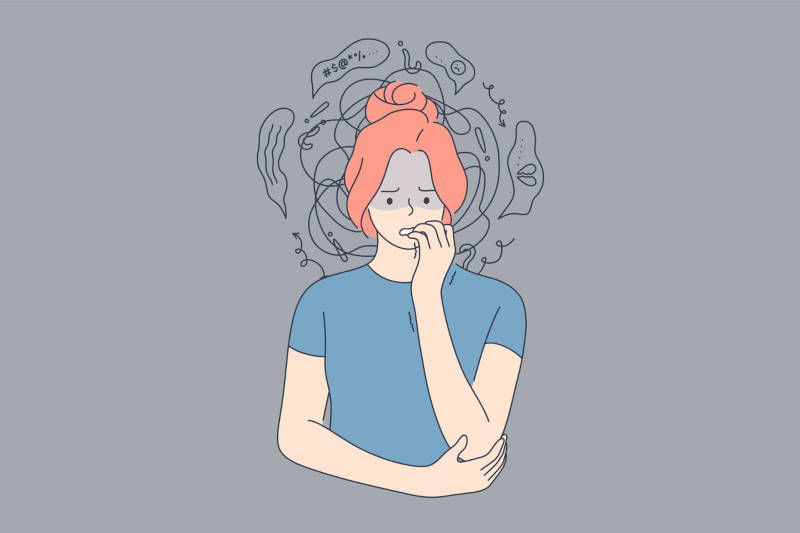



Stress is a normal part of life. Everyone experiences pressure from work, family responsibilities, finances, health concerns, and unexpected challenges. While short-term stress can motivate people to solve problems and adapt to difficult situations, chronic stress is a different story. When stress becomes persistent and overwhelming, it can have serious effects on both physical and mental health.
One of the most concerning consequences of chronic stress is its connection to substance use disorders. Many individuals turn to alcohol or drugs as a way to cope with ongoing emotional strain, only to find themselves trapped in a cycle that worsens both their stress and their substance use.
Understanding the relationship between chronic stress and addiction can help individuals recognize warning signs early and seek appropriate treatment before the problem escalates.
What Is Chronic Stress?
Chronic stress occurs when a person experiences prolonged periods of emotional, mental, or physical strain without adequate relief or recovery. Unlike acute stress, which is temporary and often tied to a specific event, chronic stress can persist for weeks, months, or even years.
Common causes of chronic stress include:
- Financial difficulties
- Relationship problems
- Workplace pressure
- Caregiving responsibilities
- Ongoing health issues
- Trauma or unresolved emotional pain
- Legal or housing concerns
When the body’s stress response remains activated for extended periods, it can negatively affect mood, sleep, concentration, immune function, and overall well-being.
How Does Chronic Stress Affect the Brain?
Chronic stress causes significant changes in the brain and nervous system. When stress occurs, the body releases hormones such as cortisol and adrenaline. These hormones help prepare a person to respond to immediate threats.
However, when stress becomes constant, elevated cortisol levels can begin to disrupt normal brain function.
Research has shown that chronic stress can:
- Increase anxiety and irritability
- Impair decision-making abilities
- Reduce impulse control
- Affect memory and concentration
- Increase emotional reactivity
- Heighten feelings of hopelessness
These changes can make it more difficult for individuals to cope with life’s challenges in healthy ways, increasing the likelihood of turning to substances for temporary relief.
Why Do People Use Substances to Cope With Stress?
Many people initially use alcohol or drugs because they provide a temporary escape from emotional discomfort. Substances can create short-term feelings of relaxation, pleasure, numbness, or relief from anxiety.
For someone experiencing chronic stress, these effects may seem helpful at first.
Individuals may use substances to:
- Reduce feelings of anxiety
- Improve mood
- Escape overwhelming emotions
- Fall asleep more easily
- Temporarily forget stressful situations
- Increase confidence in social situations
Unfortunately, these benefits are short-lived. As the effects wear off, stress often returns stronger than before, creating a pattern where the person increasingly relies on substances to feel normal.
How Can Chronic Stress Increase the Risk of Addiction?
Chronic stress is one of the most significant risk factors for developing a substance use disorder.
Repeated exposure to stress can alter the brain’s reward system. When a person repeatedly uses substances to manage stress, the brain begins associating alcohol or drugs with relief and comfort.
Over time, this can lead to:
- Increased cravings
- More frequent substance use
- Greater tolerance
- Loss of control over use
- Physical dependence
- Psychological dependence
Eventually, what began as a coping mechanism can develop into a full substance use disorder.
The longer chronic stress remains unaddressed, the greater the risk that unhealthy coping strategies will become deeply ingrained habits.
Can Stress Trigger Relapse During Recovery?
Yes. Stress is one of the most common relapse triggers for individuals recovering from addiction.
Even after someone has stopped using substances, stressful situations can activate memories and cravings associated with past substance use. This is particularly true when stress-management skills have not been fully developed.
Common stress-related relapse triggers include:
- Job loss
- Financial hardship
- Family conflict
- Relationship breakups
- Health concerns
- Major life transitions
- Emotional distress
Recovery often requires learning healthier ways to manage stress so that difficult situations do not lead to a return to substance use.
What Mental Health Conditions Often Occur Alongside Chronic Stress and Addiction?
Chronic stress frequently contributes to the development or worsening of mental health disorders. These conditions can increase vulnerability to substance misuse, creating a cycle that is difficult to break without professional help.
Common co-occurring mental health conditions include:
Anxiety Disorders
Persistent stress can fuel excessive worry, panic attacks, social anxiety, and generalized anxiety symptoms. Some individuals use substances in an attempt to calm these feelings.
Depression
Chronic stress can contribute to feelings of hopelessness, sadness, fatigue, and loss of interest in daily activities. Alcohol and drugs may be used to temporarily mask depressive symptoms.
Post-Traumatic Stress Disorder (PTSD)
Individuals with PTSD often experience chronic stress responses long after a traumatic event has occurred. Substance use may become a method of coping with intrusive thoughts, flashbacks, or emotional pain.
Burnout
Long-term workplace stress and emotional exhaustion can leave individuals feeling disconnected, overwhelmed, and vulnerable to unhealthy coping mechanisms.
Treating both mental health symptoms and substance use simultaneously is often essential for lasting recovery.
What Are the Warning Signs That Chronic Stress Is Leading to Substance Misuse?
Recognizing the warning signs early can help prevent a substance use disorder from becoming more severe.
Potential indicators include:
- Drinking or using drugs more frequently during stressful periods
- Feeling unable to relax without substances
- Using substances to sleep or manage anxiety
- Increasing consumption over time
- Experiencing cravings during stressful situations
- Neglecting responsibilities due to substance use
- Continuing use despite negative consequences
If stress consistently leads someone to rely on alcohol or drugs, professional evaluation may be beneficial.
What Are Healthier Alternatives for Managing Chronic Stress?
While eliminating stress completely is impossible, developing healthy coping strategies can significantly reduce its impact.
Effective stress-management techniques include:
Regular Physical Activity
Exercise helps reduce cortisol levels, improve mood, and increase resilience to stress.
Therapy and Counseling
Mental health professionals can help individuals identify stressors, develop coping skills, and address underlying emotional issues.
Mindfulness and Meditation
Mindfulness practices can improve emotional regulation and reduce feelings of overwhelm.
Healthy Sleep Habits
Quality sleep is essential for stress recovery and emotional well-being.
Social Support
Strong relationships with family, friends, and support groups can provide valuable emotional encouragement during difficult times.
Structured Recovery Programs
Individuals struggling with both stress and substance use often benefit from comprehensive treatment programs that address the underlying causes of addiction.
How Can Professional Treatment Help Break the Cycle of Stress and Addiction?
Professional treatment helps individuals understand the root causes of their substance use while developing healthier coping mechanisms.
Effective treatment may include:
- Individual therapy
- Group counseling
- Cognitive-behavioral therapy (CBT)
- Trauma-informed care
- Relapse prevention planning
- Medication management when appropriate
- Dual diagnosis treatment for co-occurring mental health disorders
By addressing both chronic stress and substance use simultaneously, individuals can build a stronger foundation for long-term recovery and emotional wellness.
Why Is Early Intervention Important?
The connection between chronic stress and substance use disorders often develops gradually. What begins as occasional use to cope with pressure can evolve into dependence over time.
Seeking help early can:
- Prevent addiction from worsening
- Improve mental health outcomes
- Reduce the risk of relapse
- Strengthen coping skills
- Improve relationships and quality of life
- Support long-term recovery
The earlier treatment begins, the greater the opportunity for lasting positive change.
Get Addiction & SUD Treatment at Pioneer Behavioral Health
If chronic stress, mental health challenges, or substance use are affecting your life or the life of someone you love, professional help is available. At Pioneer Behavioral Health, we provide compassionate, evidence-based treatment for individuals struggling with addiction, mental health disorders, and co-occurring conditions.
Our experienced team works closely with each client to address the underlying causes of substance use while building healthy coping skills for lasting recovery.
Contact Pioneer Behavioral Health today at 844-609-3018 to speak with a member of our team and learn more about your treatment options.
Recovery is possible, and help is only a phone call away.