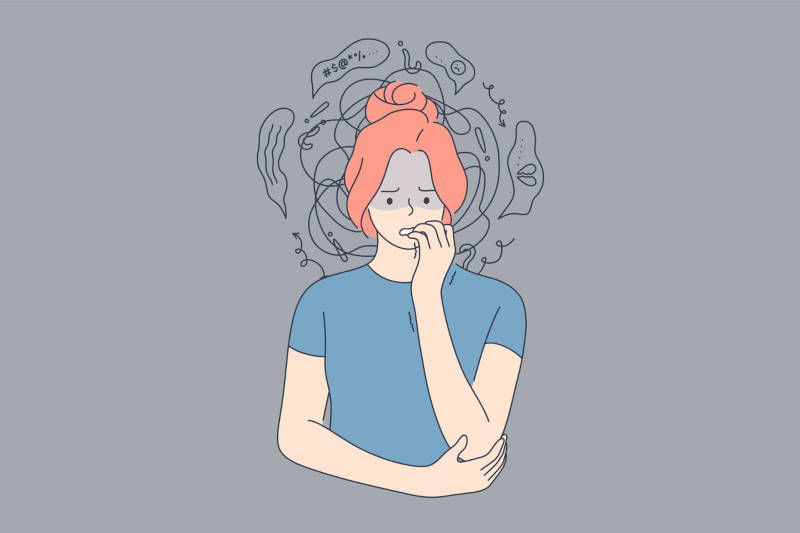



Addiction affects millions of people across the United States, yet many individuals who need help never seek treatment. While practical barriers such as cost, transportation, or scheduling can play a role, one of the most powerful obstacles is often invisible: shame.
Shame can convince people that they are unworthy of help, that they should be able to solve their problems on their own, or that others will judge them if they admit they are struggling. Unfortunately, these feelings can keep individuals trapped in cycles of substance use long after they recognize the need for professional support.
Understanding the relationship between shame and addiction is an important step toward recovery. By addressing shame directly, individuals and their loved ones can begin to break down one of the biggest barriers to treatment and healing.
What Is Shame and How Does It Differ From Guilt?
Although people often use the terms interchangeably, shame and guilt are not the same thing.
Guilt typically involves feeling bad about a specific action or behavior. A person may think, “I made a mistake” or “I did something wrong.” Guilt can sometimes motivate positive change because it focuses on behavior that can be corrected.
Shame, on the other hand, is much more personal and damaging. Instead of believing they made a mistake, a person experiencing shame may believe they are the mistake. Thoughts such as “I’m a failure,” “I’m weak,” or “There’s something wrong with me” are common.
When shame becomes deeply rooted, it can affect self-esteem, relationships, and decision-making. It can also make seeking addiction treatment feel overwhelming because reaching out for help may seem like admitting personal failure rather than taking a courageous step toward recovery.
Why Is Shame So Common Among People Struggling With Addiction?
Many people with substance use disorders experience shame because addiction often conflicts with their personal values, responsibilities, and goals.
A person may feel ashamed about:
- Damaged relationships
- Financial difficulties
- Job performance issues
- Legal problems
- Parenting challenges
- Health consequences related to substance use
In addition, society has historically stigmatized addiction. Despite growing awareness that addiction is a medical condition, many people still encounter messages that portray substance use disorders as moral failings rather than health issues.
These societal attitudes can cause individuals to internalize negative beliefs about themselves, making shame even more powerful.
How Does Shame Prevent People From Asking for Help?
Shame often creates a cycle of secrecy and avoidance.
Someone struggling with addiction may fear being judged by family members, friends, coworkers, or healthcare professionals. They may worry about disappointing loved ones or damaging their reputation. As a result, they hide their substance use and avoid conversations about treatment.
Common thoughts fueled by shame include:
- “People will think less of me.”
- “I should be able to handle this on my own.”
- “I’m too far gone to get better.”
- “Everyone will find out.”
- “I don’t deserve help.”
These beliefs can delay treatment for months or even years. Unfortunately, addiction often becomes more severe over time, increasing the risk of serious physical, emotional, and social consequences.
Can Shame Actually Make Addiction Worse?
Yes. Shame doesn’t just prevent treatment—it can also contribute to continued substance use.
Many people use drugs or alcohol to cope with painful emotions, including shame itself. Temporary relief from emotional distress may reinforce substance use, creating a cycle that becomes difficult to break.
The pattern often looks like this:
- A person uses substances.
- They experience negative consequences.
- They feel ashamed about those consequences.
- The shame becomes emotionally painful.
- They use substances again to escape the shame.
Over time, this cycle can strengthen both the addiction and the feelings of worthlessness that accompany it.
Breaking this pattern often requires professional treatment that addresses both substance use and the underlying emotional factors driving it.
Why Do People Feel Embarrassed About Going to Rehab?
Many individuals hesitate to seek treatment because they worry about how others will perceive them.
Some fear being labeled as an “addict” or believe treatment is only for people whose lives have completely fallen apart. Others worry that entering rehab means they have failed in some way.
In reality, seeking treatment is a sign of strength, self-awareness, and courage. Just as someone would seek medical care for diabetes, heart disease, or depression, individuals struggling with addiction deserve professional support for a recognized health condition.
Treatment programs are designed to help people recover—not judge them. Addiction professionals understand the challenges of substance use disorders and provide care in a supportive, confidential environment.
How Does Stigma Contribute to Shame Around Addiction?
Stigma refers to negative attitudes, stereotypes, and misconceptions about a group of people. Unfortunately, stigma surrounding addiction remains widespread.
People with substance use disorders may hear comments suggesting they lack willpower, are irresponsible, or simply need to “try harder.” These misconceptions ignore decades of scientific research showing that addiction is a complex condition involving changes in brain function, genetics, environment, and mental health.
When individuals repeatedly encounter stigmatizing messages, they may begin to believe them. This internalized stigma can lead to intense shame and discourage people from seeking treatment.
Reducing stigma through education and open conversations is essential for helping more people access the care they need.
How Can Family Members Help Reduce Shame?
Families can play a critical role in helping loved ones overcome shame and seek treatment.
Supportive family members can:
- Listen without judgment
- Avoid blame or criticism
- Encourage open conversations
- Focus on solutions rather than past mistakes
- Learn about addiction as a medical condition
- Express hope and support for recovery
Even small changes in language can make a difference. Statements such as “You need help because you’re an addict” may increase shame, while phrases like “You deserve support and treatment” can promote hope and connection.
Compassion often helps people feel safe enough to take the first step toward recovery.
What Happens When Someone Finally Overcomes Shame?
Many individuals report feeling relief after reaching out for help.
Although asking for treatment can be intimidating, it often marks the beginning of a new chapter. Once people enter treatment, they frequently discover they are not alone. They meet others who have faced similar struggles and receive support from professionals who understand addiction.
Treatment can help individuals:
- Develop healthy coping skills
- Address underlying mental health concerns
- Rebuild relationships
- Improve physical health
- Restore self-confidence
- Create a foundation for long-term recovery
Perhaps most importantly, treatment helps people recognize that addiction does not define their worth.
How Can Someone Take the First Step Toward Recovery Despite Shame?
The first step is often the hardest, but it doesn’t have to be taken alone.
Individuals struggling with addiction can start by talking to a trusted friend, family member, therapist, physician, or treatment provider. Even a single conversation can reduce feelings of isolation and make recovery feel more achievable.
It’s important to remember that seeking help is not an admission of failure. It is a decision to prioritize health, healing, and a better future.
No matter how long someone has struggled with substance use, recovery is possible. Professional treatment can provide the tools, support, and guidance needed to move forward.
Is Recovery Possible After Years of Addiction?
Absolutely.
People recover from addiction every day, including individuals who have struggled for many years. Recovery is not determined by how severe an addiction has become or how many setbacks a person has experienced. What matters is the willingness to seek support and engage in treatment.
Shame may try to convince people they are beyond help, but the reality is that recovery remains possible at every stage. With evidence-based treatment, compassionate care, and ongoing support, individuals can rebuild their lives and achieve lasting wellness.
Take the First Step Toward Recovery at Pioneer Behavioral Health
If you or someone you love is struggling with addiction or co-occurring mental health challenges, help is available. At Pioneer Behavioral Health, we provide compassionate, evidence-based treatment designed to help individuals overcome addiction, address underlying mental health concerns, and build a strong foundation for lasting recovery.
Our experienced team understands that shame and stigma can make it difficult to ask for help. That’s why we offer a supportive, judgment-free environment where healing can begin.
Contact Pioneer Behavioral Health today at 844-609-3018 to speak with a member of our team and learn more about your treatment options.
Recovery is possible, and you do not have to face addiction alone. Reach out today and take the first step toward a healthier future.