


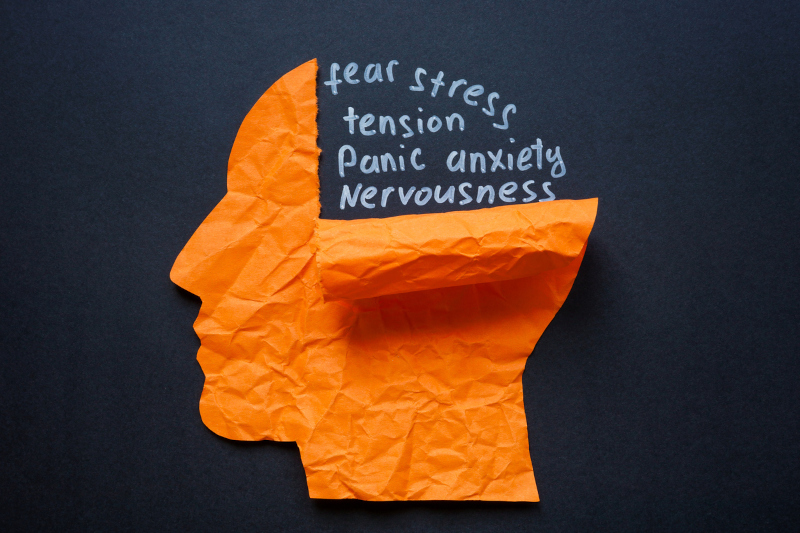
Many people use the words anxiety and stress interchangeably, but they are not the same experience. While both can affect your thoughts, emotions, and physical health, they often have different causes, symptoms, and treatment approaches. Understanding the difference between anxiety and stress can help you recognize when everyday challenges have become something that may require professional support.
For individuals struggling with persistent anxiety symptoms, Pioneer Behavioral Health offers anxiety treatment designed to help people better understand their symptoms, develop healthy coping skills, and work toward improved mental health. Recognizing when anxiety has moved beyond normal stress is an important first step toward getting support.
What Is the Difference Between Anxiety and Stress?
Stress is typically a response to an external situation, while anxiety is often a response to perceived threats, fears, or worries that may continue even when there is no immediate danger.
Stress usually occurs when a person feels overwhelmed by a specific challenge, such as work responsibilities, relationship problems, financial concerns, or major life changes. Once the stressful situation is resolved, stress levels often decrease.
Anxiety, on the other hand, can continue even after a stressful event has passed. Anxiety involves excessive worry, fear, or apprehension that can interfere with daily life. While stress is often connected to a specific circumstance, anxiety may feel difficult to control or may occur without a clear reason.
Both stress and anxiety are normal human experiences, but ongoing or severe symptoms may indicate that additional support is needed.
How Does Stress Affect the Mind and Body?
Stress affects the body’s natural response system. When a person experiences stress, the brain releases hormones that prepare the body to respond to a challenge. This “fight-or-flight” response can be helpful in short-term situations, but ongoing stress can take a toll on emotional and physical health.
Common symptoms of stress may include:
- Feeling overwhelmed or unable to keep up with responsibilities
- Irritability or frustration
- Difficulty concentrating
- Muscle tension
- Headaches
- Changes in sleep patterns
- Fatigue
- Increased heart rate
- Changes in appetite
Short-term stress can sometimes improve motivation and focus, such as helping someone meet a deadline or prepare for an important event. However, chronic stress can contribute to emotional exhaustion, burnout, and worsening mental health symptoms.
What Are the Common Symptoms of Anxiety?
Anxiety can involve both emotional and physical symptoms. While occasional worry is a normal part of life, anxiety becomes a concern when fear and worry feel excessive, persistent, or difficult to manage.
Common symptoms of anxiety may include:
- Constant worry or fear
- Racing thoughts
- Feeling restless or unable to relax
- Trouble sleeping
- Difficulty concentrating
- Avoiding situations because of fear
- Panic symptoms, such as shortness of breath or intense fear
- Increased heart rate
- Feeling tense or on edge
- Physical discomfort, including stomach issues or muscle tension
Unlike temporary stress, anxiety symptoms may continue even when there is no immediate problem to solve. Someone experiencing anxiety may recognize that their fears are disproportionate but still feel unable to control their thoughts or reactions.
How Can You Tell If You Are Experiencing Stress or Anxiety?
The main difference between stress and anxiety often comes down to the source, duration, and intensity of symptoms.
Stress is usually connected to a specific situation. For example, someone may feel stressed about an upcoming exam, a difficult project at work, or a family conflict. After the situation improves, stress often decreases.
Anxiety may continue even after a situation is resolved. A person with anxiety may spend significant time worrying about what could go wrong, avoiding certain situations, or feeling overwhelmed by fears that others may not view as threatening.
Some questions that may help identify the difference include:
- Is there a specific problem causing these feelings?
- Do symptoms improve when the stressful situation ends?
- Are worries difficult to control?
- Are fears interfering with relationships, work, school, or daily activities?
- Am I avoiding things because of fear or worry?
If anxiety symptoms are persistent or disrupting daily life, professional treatment may be beneficial.
When Does Stress Become a Mental Health Concern?
Stress becomes a concern when it begins affecting a person’s ability to function or maintain their quality of life. While everyone experiences stress, ongoing stress can contribute to anxiety disorders, depression, substance use concerns, and other mental health challenges.
Signs that stress may require additional support include:
- Feeling overwhelmed most days
- Experiencing ongoing exhaustion
- Losing interest in activities you once enjoyed
- Having difficulty managing emotions
- Using unhealthy coping strategies to deal with stress
- Experiencing significant changes in sleep or appetite
- Feeling unable to handle daily responsibilities
Learning healthy coping strategies, improving self-care habits, and seeking professional guidance can help prevent stress from becoming more difficult to manage.
When Should Someone Seek Anxiety Treatment?
Someone may benefit from anxiety treatment when anxiety begins interfering with everyday life, relationships, responsibilities, or overall well-being.
Professional support may be helpful if you experience:
- Anxiety that feels constant or uncontrollable
- Frequent panic attacks
- Avoidance of important activities due to fear
- Difficulty focusing because of excessive worry
- Sleep problems related to anxiety
- Physical symptoms caused by anxiety
- Increased reliance on substances or unhealthy behaviors to cope
At Pioneer Behavioral Health, anxiety treatment focuses on helping individuals understand the causes of their anxiety, develop effective coping skills, and build healthier ways to manage symptoms. Treatment can provide structured support for individuals who feel stuck in patterns of worry, fear, or avoidance.
How Does Anxiety Treatment Help People Manage Symptoms?
Anxiety treatment can help individuals identify triggers, understand thought patterns, and learn strategies for managing difficult emotions. Effective treatment often involves evidence-based approaches that address both the emotional and behavioral aspects of anxiety.
At Pioneer Behavioral Health, treatment may include therapeutic support, skill-building strategies, and a personalized approach based on each individual’s needs. The goal is not simply to reduce anxiety symptoms but to help people develop tools they can use throughout recovery and daily life.
Treatment can help individuals:
- Recognize anxiety triggers
- Challenge unhelpful thought patterns
- Improve emotional regulation
- Develop healthier coping skills
- Build confidence in managing stressful situations
- Improve relationships and daily functioning
Can Anxiety and Stress Happen at the Same Time?
Yes, anxiety and stress can occur together. In fact, ongoing stress can sometimes contribute to the development or worsening of anxiety symptoms. A person facing prolonged stress may begin experiencing persistent worry, fear, or physical symptoms that continue beyond the original stressful situation.
Because stress and anxiety can overlap, it is important to look at how symptoms affect daily life rather than focusing only on the label. A mental health professional can help determine what type of support may be most appropriate.
How Can Pioneer Behavioral Health Help With Anxiety Treatment?
Understanding whether you are experiencing normal stress or a more serious anxiety concern can be challenging. You do not have to manage overwhelming anxiety symptoms alone. Professional treatment can provide guidance, structure, and support for building a healthier future.
Pioneer Behavioral Health is a mental health and addiction treatment facility offering anxiety treatment to individuals seeking support. Our programs are designed to help people better understand their mental health challenges and develop the skills needed for long-term wellness.
If anxiety is affecting your daily life, relationships, or ability to enjoy the things that matter most, reach out to Pioneer Behavioral Health today. Our team can help you explore treatment options and take the next step toward improved mental health.
Pioneer Behavioral Health has locations at 175 Dwight Rd, Longmeadow, MA 01106 and 245 Main Street, Oxford, MA 01540. Call 844-609-3018 to learn more about anxiety treatment and available support options.