

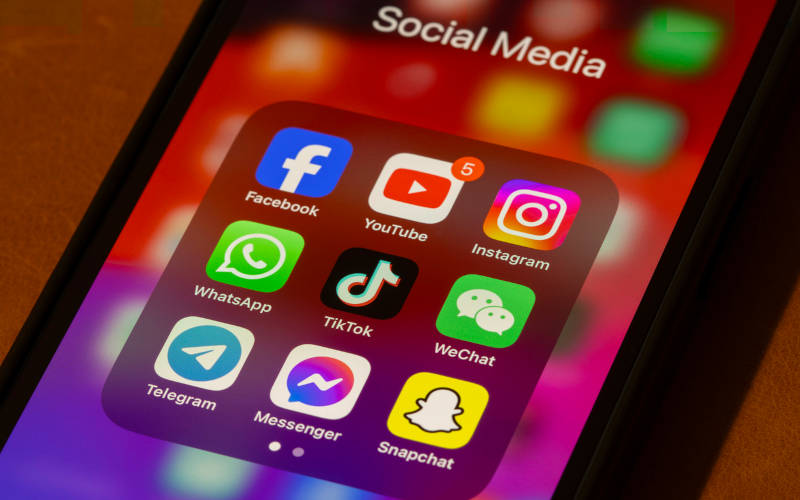
Social media has become an integral part of daily life for billions of people around the world. Platforms such as Instagram, Facebook, TikTok, X, Snapchat, and LinkedIn allow users to connect, share experiences, access information, and build communities.
While social media offers many benefits, it can also have a significant impact on mental health. Understanding both the positive and negative effects of social media can help individuals develop healthier online habits and protect their emotional well-being.
How Does Social Media Affect Mental Health?
Social media influences mental health by shaping how people think, feel, and interact with others. The content users consume and the way they engage online can impact self-esteem, mood, stress levels, and overall psychological well-being.
For some people, social media creates opportunities for connection and support. For others, excessive use may contribute to anxiety, depression, loneliness, and unhealthy comparisons. The impact often depends on factors such as age, personality, frequency of use, and the type of content being consumed.
Why Can Social Media Increase Anxiety?
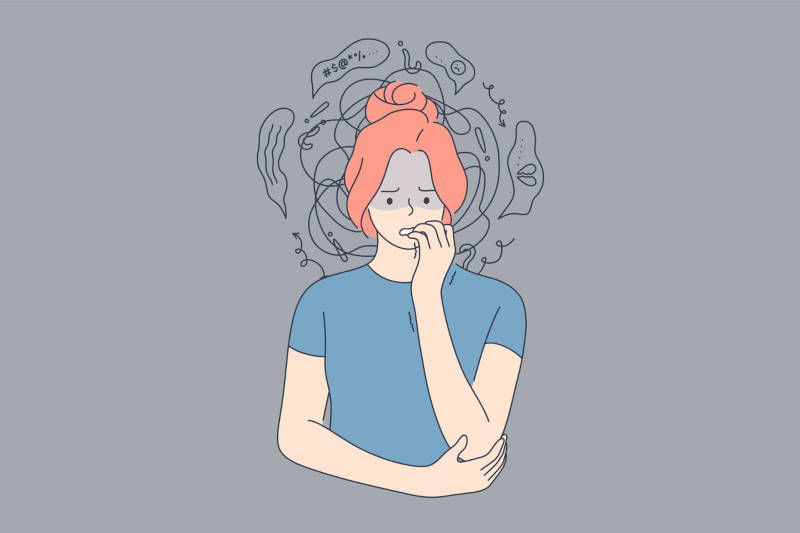
Social media can contribute to anxiety in several ways. Constant exposure to news updates, social expectations, and notifications may create a sense of urgency or pressure to remain connected at all times.
Many users experience anxiety when they feel compelled to check their phones repeatedly or worry about missing important updates, a phenomenon often referred to as “fear of missing out” (FOMO). Seeing friends attend events, achieve milestones, or share seemingly perfect experiences can lead individuals to feel excluded or left behind.
Additionally, online conflicts, cyberbullying, and negative comments can trigger stress and emotional distress, especially among adolescents and young adults.
How Can Social Media Contribute to Depression?
Research has shown an association between excessive social media use and symptoms of depression. One reason is that social media often presents highly curated versions of people’s lives. Users typically share highlights rather than struggles, creating unrealistic standards of success, beauty, happiness, and achievement.
When individuals compare their everyday lives to these carefully selected images and stories, they may develop feelings of inadequacy or low self-worth. Over time, these comparisons can contribute to sadness, hopelessness, and depressive symptoms.
Excessive screen time may also reduce opportunities for face-to-face interaction, physical activity, and meaningful real-world experiences, all of which are important for maintaining mental health.
Can Social Media Affect Self-Esteem?
Yes, social media can significantly impact self-esteem. Many platforms encourage users to seek validation through likes, comments, shares, and followers. When engagement is lower than expected, individuals may interpret it as a reflection of their worth or popularity.
Image-focused platforms can be particularly challenging because they often promote unrealistic beauty standards. Filters, editing tools, and carefully staged photos can create unattainable expectations regarding appearance and lifestyle.
Young people are especially vulnerable to these influences as they are still developing their identities and self-confidence. Constant comparison to others may lead to dissatisfaction with their appearance, accomplishments, or social status.
How Does Cyberbullying Impact Mental Health?
Cyberbullying is one of the most harmful aspects of social media use. Unlike traditional bullying, online harassment can occur at any time and may reach a large audience almost instantly.
Victims of cyberbullying often experience emotional distress, anxiety, depression, shame, and isolation. Some may avoid social situations, experience declining academic or work performance, or struggle with sleep disturbances.
The anonymous nature of some online interactions can make cyberbullying particularly damaging because perpetrators may feel less accountable for their actions. Recognizing and addressing cyberbullying early is essential for protecting mental health.
Are There Positive Mental Health Benefits of Social Media?
While social media often receives criticism, it can also provide meaningful mental health benefits when used responsibly.
Many people find valuable support networks online. Individuals living with mental health conditions, chronic illnesses, or unique life circumstances can connect with others who understand their experiences. Online communities may reduce feelings of isolation and provide encouragement during difficult times.
Social media can also increase awareness of mental health issues, promote educational resources, and help individuals find professional support. Many organizations and mental health professionals use social platforms to share coping strategies, self-care techniques, and information about treatment options.
How Does Social Media Affect Sleep and Emotional Well-Being?
Poor sleep is one of the most common consequences of excessive social media use. Many people scroll through social media late at night, exposing themselves to stimulating content and blue light from electronic devices.
This can interfere with the body’s natural sleep-wake cycle and make it more difficult to fall asleep. Inadequate sleep is closely linked to increased stress, irritability, anxiety, and depression.
Late-night social media use may also expose users to emotionally charged content that heightens worry or emotional arousal before bedtime. Establishing healthy boundaries around technology use can help improve both sleep quality and mental health.
What Are the Signs That Social Media Is Negatively Affecting Mental Health?
Several warning signs may indicate that social media use is becoming harmful:
- Feeling anxious when unable to check social media
- Frequently comparing yourself to others online
- Experiencing lower self-esteem after using social platforms
- Losing sleep due to scrolling or notifications
- Spending more time online than intended
- Neglecting work, school, relationships, or hobbies
- Feeling depressed, lonely, or isolated after social media use
- Becoming overly dependent on online validation
Recognizing these signs early can help individuals make changes before more serious mental health concerns develop.
How Can People Use Social Media in Healthier Ways?
Healthy social media use involves being intentional about how and when platforms are used. Some effective strategies include:
- Setting daily time limits for social media use
- Taking regular breaks from screens
- Unfollowing accounts that trigger negative emotions
- Following content that promotes education, inspiration, or well-being
- Prioritizing in-person relationships and activities
- Avoiding social media before bedtime
- Practicing mindfulness when engaging with online content
By creating healthy boundaries, individuals can enjoy the benefits of social media while minimizing its potential risks.
When Should Someone Seek Professional Help for Social Media Use?
If social media use is contributing to persistent anxiety, depression, low self-esteem, relationship problems, or other emotional difficulties, professional support may be beneficial.
Mental health professionals can help individuals identify unhealthy patterns, develop coping strategies, and address underlying emotional concerns. For some people, excessive social media use may be linked to broader mental health challenges that require comprehensive treatment and support.
Seeking help early can prevent symptoms from worsening and improve overall quality of life.
Get Help With Social Media Usage at Pioneer
If you or someone you love is struggling with anxiety, depression, substance use, or other mental health challenges, professional treatment can make a meaningful difference. Pioneer Behavioral Health provides compassionate, evidence-based care for individuals seeking support for mental health and addiction recovery.
Contact Pioneer Behavioral Health today at 844-609-3018 to speak with a member of our team and learn more about your treatment options.
Taking the first step toward help can be the beginning of a healthier, more fulfilling future.