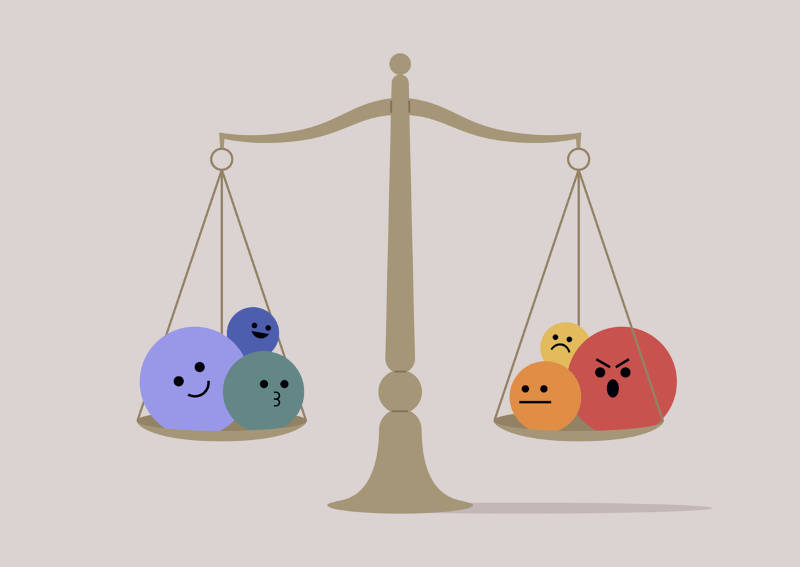



Everyone develops coping mechanisms to manage stress, difficult emotions, and challenging life experiences. Some people exercise, talk to friends, or practice mindfulness, while others withdraw, avoid problems, or turn to substances for temporary relief. Although coping mechanisms can help people navigate difficult situations, not every strategy supports long-term emotional well-being.
Unhealthy coping mechanisms often develop as attempts to protect yourself from emotional pain. However, behaviors that provide immediate relief can create additional problems over time. Recognizing these patterns can help you make healthier choices, improve your relationships, and protect your mental health.
Understanding the signs that your coping mechanisms are doing harm is an important step toward building healthier responses to life’s challenges.
1. How Can You Tell When Your Coping Mechanisms Are Becoming Avoidance?
Avoidance is a common coping mechanism that involves staying away from situations, feelings, or responsibilities that cause discomfort. Taking a temporary break from a stressful situation can be helpful, but consistently avoiding difficult experiences can prevent you from addressing the underlying problem.
For example, you might ignore important emails because they trigger stress, cancel social plans because you feel overwhelmed, or avoid conversations about relationship problems. Although these decisions may reduce anxiety in the moment, they can make problems more difficult to resolve later.
Avoidance can also contribute to worsening symptoms of anxiety and depression. When you repeatedly avoid uncomfortable situations, you may miss opportunities to learn that you can manage them successfully.
What can you do instead? Start by identifying what you are avoiding and why. Break overwhelming responsibilities into smaller steps, and approach difficult situations gradually. If avoidance significantly interferes with your daily life, working with a mental health professional can help you develop more effective coping strategies.
2. Why Is Using Alcohol or Drugs to Manage Emotions a Warning Sign?
Turning to alcohol or drugs to cope with stress, sadness, loneliness, or frustration can become harmful when substance use becomes a primary way to regulate emotions.
You might notice that you regularly drink after a difficult day, use substances to feel comfortable in social situations, or rely on them to fall asleep. Over time, you may begin to feel that you cannot relax, socialize, or manage distress without using a substance.
Although alcohol and other drugs may temporarily change how you feel, they can worsen emotional difficulties, interfere with sleep, strain relationships, and contribute to substance use disorders. Some substances can also increase impulsivity or intensify existing mental health symptoms.
Warning signs include using more than you intended, experiencing cravings, neglecting responsibilities, or continuing to use substances despite negative consequences.
What can you do instead? Explore other ways to manage uncomfortable emotions, such as physical activity, talking with someone you trust, or practicing relaxation techniques. If cutting back feels difficult or substance use is affecting your life, professional addiction treatment can provide structured support. Medical guidance is particularly important if you may be physically dependent on alcohol or sedatives, because withdrawal can be dangerous.
3. Can Suppressing Your Emotions Make Your Mental Health Worse?
Trying to ignore, minimize, or hide your emotions may seem like a practical way to get through difficult situations. However, consistently suppressing feelings can make it harder to understand your needs and respond to stress effectively.
You might tell yourself that you should not feel sad, pretend everything is fine when you are struggling, or avoid discussing painful experiences because you do not want to burden others. You may also stay constantly busy to avoid having time to think about uncomfortable feelings.
Although emotional control can be useful in certain circumstances, suppressing emotions indefinitely does not resolve the experiences causing them. Unaddressed feelings may contribute to irritability, emotional exhaustion, difficulty communicating, and increased stress.
For some people, unresolved trauma or persistent emotional distress may also contribute to mental health symptoms that require professional attention.
What can you do instead? Practice acknowledging your emotions without judging yourself for experiencing them. Naming a feeling, writing about it, or discussing it with a trusted person can help you understand what you need. Learning to experience emotions without immediately pushing them away can support healthier emotional regulation.
4. What Does It Mean When Your Coping Habits Damage Your Relationships?
Coping mechanisms can become harmful when they repeatedly create conflict, prevent honest communication, or distance you from the people who support you.
For example, you might withdraw from loved ones whenever you feel overwhelmed, become defensive when someone expresses concern, or respond to frustration with anger. You may also rely on other people to manage your emotions without considering their boundaries or needs.
These patterns can create misunderstandings and weaken trust over time. Loved ones may feel shut out, criticized, or uncertain about how to support you. Meanwhile, you may experience increasing loneliness or frustration because your relationships no longer provide the connection you need.
Unhealthy relationship patterns do not mean you are a bad person. Often, they reflect learned responses to stress, past experiences, or difficulties managing strong emotions.
What can you do instead? Practice communicating your feelings and needs directly. If you need space, explain that you are overwhelmed and let the other person know when you can reconnect. Active listening, setting boundaries, and learning to pause before reacting can also improve relationships.
Therapy can help you recognize recurring interpersonal patterns and develop healthier ways to respond to conflict.
5. How Can Overworking or Constant Busyness Become an Unhealthy Coping Mechanism?
Staying busy can provide structure, a sense of accomplishment, and a temporary distraction from uncomfortable emotions. However, overworking becomes a concern when productivity is used to avoid emotional difficulties or when rest consistently produces guilt or anxiety.
You might fill every hour with work, take on excessive responsibilities, or feel uncomfortable whenever you have time to yourself. Even when you are exhausted, you may continue pushing yourself because slowing down brings unwanted thoughts or feelings to the surface.
Over time, this pattern can contribute to burnout, sleep problems, irritability, and reduced concentration. It can also interfere with relationships, hobbies, and other activities that support well-being.
Being productive is not inherently unhealthy. The concern arises when work becomes the only way you feel valuable, secure, or emotionally comfortable.
What can you do instead? Establish reasonable work boundaries and schedule regular opportunities for rest. Practice viewing downtime as a necessary part of maintaining your health rather than a reward you must earn. Activities such as spending time outdoors, connecting with friends, and pursuing enjoyable hobbies can help you build a more balanced routine.
6. When Does Seeking Distraction Become a Harmful Coping Strategy?
Distraction can be useful when you need a break from an overwhelming situation. Watching a movie, listening to music, playing a game, or spending time on a hobby can help you relax. However, distraction may become harmful when it consistently replaces addressing important problems or emotional needs.
For instance, you might spend hours scrolling on your phone to avoid thinking about a difficult decision. You may repeatedly shop online to improve your mood, binge-watch television instead of completing responsibilities, or seek constant stimulation because being alone with your thoughts feels uncomfortable.
These behaviors can become problematic when they interfere with sleep, finances, relationships, work, or other responsibilities. You may also notice that the relief is short-lived and that the original problem remains unresolved.
What can you do instead? Pay attention to how you feel before and after engaging in distracting activities. Ask yourself whether the behavior is helping you recharge or allowing you to avoid something important. Set reasonable limits on activities that consume excessive time, and identify one manageable step toward addressing the underlying issue.
Healthy coping involves making room for both temporary relief and meaningful problem-solving.
7. How Can You Recognize When Your Coping Mechanisms Are Affecting Your Daily Life?
One of the clearest signs that your coping mechanisms are doing harm is that they begin interfering with your ability to function. A strategy that once provided occasional relief may become a rigid habit that creates more problems than it solves.
You might notice that you struggle to complete everyday responsibilities, experience frequent conflict with loved ones, neglect personal hygiene, or have difficulty maintaining consistent sleep and eating routines. You may also feel increasingly dependent on a particular behavior to get through ordinary stress.
Another warning sign is continuing a coping strategy even when you recognize its negative consequences. For example, you might isolate yourself despite feeling lonely or continue using substances despite problems at work or home.
These patterns may indicate that your current coping strategies are no longer meeting your needs. They can also occur alongside conditions such as anxiety, depression, or substance use disorders.
What can you do instead? Consider how your habits affect your emotional health, relationships, and daily responsibilities. Identify which behaviors provide lasting benefits and which create additional difficulties. If unhealthy patterns feel difficult to change, a mental health professional can help you understand their underlying causes and develop a personalized plan for improvement.
How Can Professional Treatment Help You Develop Healthier Coping Mechanisms?
Recognizing harmful coping mechanisms is an important first step, but changing established patterns can take time. Professional treatment can help you understand why certain behaviors developed, identify emotional triggers, and practice healthier ways to manage stress.
Depending on your needs, treatment may include cognitive-behavioral therapy (CBT), which helps you recognize and change unhelpful thought and behavior patterns, or dialectical behavior therapy (DBT), which teaches skills for emotional regulation, distress tolerance, and interpersonal effectiveness. Group therapy may also provide opportunities to learn from others and practice healthier ways of responding to challenges.
If harmful coping mechanisms involve alcohol or drugs, addiction treatment can help you address substance use while building strategies for maintaining recovery. When mental health symptoms and substance use occur together, integrated care may be appropriate.
You do not have to wait until your coping mechanisms cause a crisis before seeking support. Getting help early can make it easier to recognize unhealthy patterns and develop more sustainable ways to manage difficult emotions.
Get Support for Your Mental Health at Pioneer Behavioral Health
If your coping mechanisms are affecting your relationships, responsibilities, or emotional well-being, Pioneer Behavioral Health can help you explore treatment options. Pioneer provides mental health and addiction treatment services designed to support individuals as they work toward healthier coping strategies and lasting recovery.
Pioneer Behavioral Health has locations at:
- Longmeadow, Massachusetts: 175 Dwight Rd, Longmeadow, MA 01106
- Oxford, Massachusetts: 245 Main Street, Oxford, MA 01540
- Arlington Heights, Illinois: 1655 N. Arlington Heights Rd, Arlington Heights, IL 60004
Call 844-609-3018 to learn more about available services and discuss your treatment needs. With the right support, you can develop healthier responses to stress, strengthen your relationships, and move toward a more balanced life.