


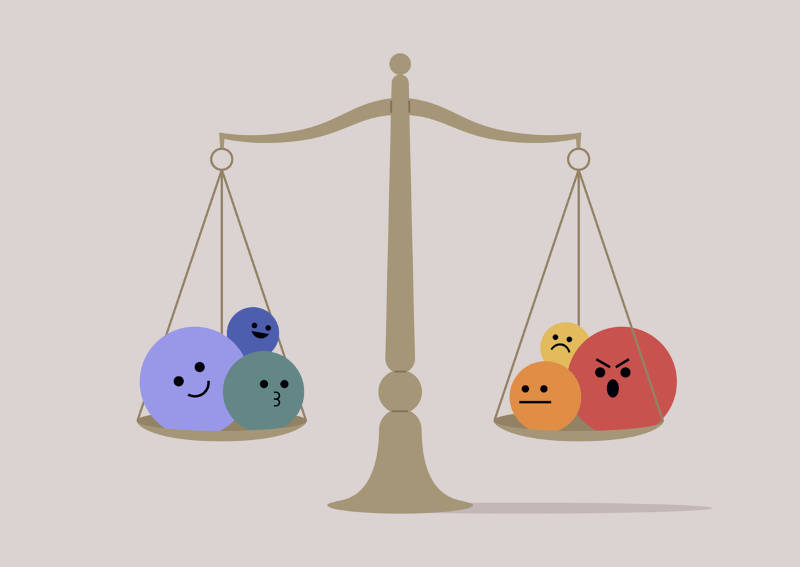
Emotional regulation is the ability to recognize, understand, and manage emotions in healthy and productive ways. Everyone experiences difficult emotions, including anger, sadness, fear, frustration, and anxiety. However, when emotions become overwhelming or difficult to control, they can affect relationships, decision-making, work performance, and overall mental health.
Learning to regulate emotions does not mean suppressing feelings or pretending everything is fine. Instead, it involves recognizing emotional responses, understanding what triggers them, and choosing how to respond rather than reacting impulsively. Developing these skills can help people navigate stressful situations, communicate more effectively, and maintain greater emotional balance.
Although emotional regulation may take time and practice, several strategies can help strengthen these skills. Here are eight practical ways to improve emotional regulation and support long-term mental well-being.
1. How Can You Improve Emotional Awareness?
Improving emotional regulation starts with recognizing what you feel and identifying why you feel that way. Emotional awareness helps you understand your internal experiences before they become overwhelming.
For example, you might notice that you become irritable after a stressful day, feel anxious before social situations, or experience sadness when you feel disconnected from others. Identifying these patterns can help you recognize emotional triggers and respond more intentionally.
To strengthen emotional awareness, try the following strategies:
- Name your emotions: Identify whether you feel frustrated, disappointed, embarrassed, worried, or overwhelmed instead of describing every uncomfortable feeling as stress.
- Notice physical sensations: Pay attention to a racing heart, tense muscles, shallow breathing, or a tight feeling in your stomach.
- Keep an emotion journal: Record what happened, how you felt, and how you responded to specific situations.
- Identify recurring patterns: Look for situations, interactions, or circumstances that consistently affect your mood.
The more accurately you recognize your emotions, the easier it becomes to determine what you need and choose a constructive response.
2. What Breathing Techniques Help Manage Intense Emotions?
Controlled breathing can help you manage physical stress responses when emotions begin to intensify. Strong emotions may cause your breathing to become faster and shallower, contributing to feelings of tension or agitation.
Slowing your breathing can encourage your body to settle, creating an opportunity to think more clearly before responding to a difficult situation.
One simple technique is diaphragmatic breathing. Sit comfortably, relax your shoulders, and breathe slowly through your nose while allowing your abdomen to expand. Exhale gently and repeat for several cycles without forcing your breath.
You can also try these techniques:
- Extended exhalation: Breathe in comfortably and make your exhale slightly longer than your inhale.
- Box breathing: Inhale, hold briefly, exhale, and hold again for equal counts, adjusting the timing to remain comfortable.
- Mindful breathing: Focus your attention on the sensation of breathing whenever your thoughts begin to spiral.
Practice these techniques during calm moments so they become easier to use when stress increases. If focusing on breathing feels uncomfortable, try grounding yourself through your surroundings instead.
3. How Can Mindfulness Help You Respond Instead of React?
Mindfulness involves paying attention to the present moment without immediately judging your thoughts, feelings, or experiences. This practice can improve emotional regulation by creating space between an emotional trigger and your response.
For example, if a coworker makes a frustrating comment, you might immediately feel angry and want to respond defensively. Mindfulness helps you notice the anger without automatically acting on it. You can acknowledge the feeling, consider the circumstances, and decide how to respond more thoughtfully.
You can incorporate mindfulness into everyday life by:
- Spending a few minutes observing your thoughts without trying to change them.
- Paying attention to your surroundings while walking, eating, or completing routine tasks.
- Noticing emotional reactions without labeling yourself as bad or weak for experiencing them.
- Taking a brief pause before responding to upsetting messages or conversations.
Mindfulness does not eliminate uncomfortable emotions. Instead, it helps you recognize that feelings are temporary experiences rather than instructions you must follow.
4. How Does Getting Enough Sleep Support Emotional Regulation?
Sleep plays an important role in emotional health. When you do not get enough rest, everyday frustrations may feel more intense, stressful situations may become harder to manage, and it may be more difficult to think clearly before reacting.
Establishing consistent sleep habits can help support mood stability and improve your ability to cope with challenges.
To improve your sleep routine, consider these habits:
- Maintain a consistent bedtime and wake-up time.
- Create a relaxing evening routine that helps you transition away from daily stress.
- Limit caffeine later in the day if it interferes with your sleep.
- Reduce stimulating activities and bright screens before bedtime.
- Keep your bedroom comfortable, quiet, and dark when possible.
Most adults need at least seven hours of sleep per night, although individual needs vary. If persistent sleep difficulties affect your mood or daily functioning, consider discussing them with a healthcare professional.
5. What Role Does Physical Activity Play in Managing Emotions?
Physical activity can support emotional regulation by helping relieve tension, improve mood, and provide a healthy outlet for stress. Exercise may also help reduce symptoms associated with anxiety and depression.
You do not need an intense workout routine to experience potential benefits. Activities that fit your abilities and schedule can make it easier to develop a consistent habit.
Consider incorporating movement into your day through walking, swimming, stretching, dancing, cycling, or other enjoyable activities.
Physical activity can also interrupt cycles of rumination, which occur when you repeatedly think about upsetting experiences without reaching a useful conclusion. A short walk may help you gain perspective and return to a challenging situation with a clearer mind.
Consistency matters more than intensity. Start with manageable goals and gradually increase activity as comfortable. The purpose is to support your well-being, not create another source of pressure or self-criticism.
6. How Can You Challenge Negative Thought Patterns?
The way you interpret an experience can influence how you feel and respond. Negative or inaccurate thought patterns can intensify emotions, particularly when you automatically assume the worst or interpret situations as personal failures.
For example, if someone does not respond to a message, you might conclude that they are angry with you. That interpretation may trigger anxiety or frustration, even though the person could simply be busy.
Recognizing these patterns can help you develop a more balanced perspective.
Try asking yourself:
- What evidence supports this interpretation?
- Is there another reasonable explanation?
- Am I assuming I know what someone else is thinking?
- What would I tell a friend experiencing this situation?
- What response would help me address the problem constructively?
Cognitive-behavioral therapy (CBT) can help people recognize connections between thoughts, emotions, and behaviors. With practice, challenging unhelpful assumptions can reduce unnecessary distress and support more measured responses.
The goal is not to replace every negative thought with a positive one. It is to evaluate your thoughts realistically and avoid allowing unexamined assumptions to control your behavior.
7. How Can Healthy Communication Improve Emotional Regulation?
Difficult emotions can become harder to manage when people struggle to express their needs, establish boundaries, or resolve disagreements. Healthy communication helps you address problems without escalating conflict or suppressing your feelings.
One useful strategy is to use statements that describe your experience rather than blaming another person. For instance, saying, “I feel overwhelmed when plans change unexpectedly, and I need more notice when possible,” communicates a concern more constructively than making an accusation.
Other helpful communication strategies include:
- Pause before responding: Give yourself time to settle when a conversation becomes emotionally charged.
- Practice active listening: Focus on understanding the other person’s perspective instead of preparing your next argument.
- Set reasonable boundaries: Communicate what you can manage and what you need to protect your well-being.
- Use assertive language: Express your feelings and preferences clearly while respecting other people.
- Take breaks when necessary: If a discussion becomes overwhelming, agree to return to it after everyone has had time to calm down.
These skills can strengthen relationships while helping you navigate disagreements with greater confidence and self-control.
8. When Should You Seek Professional Help for Emotional Regulation?
Self-help strategies can be valuable, but persistent difficulties with emotional regulation may require additional support. Consider speaking with a mental health professional if intense emotions regularly interfere with your relationships, responsibilities, sleep, or ability to manage everyday situations.
Difficulty regulating emotions can occur for many reasons, including prolonged stress, unresolved trauma, anxiety, depression, and certain mental health conditions. Experiencing emotional challenges does not automatically mean you have a mental health disorder, but persistent symptoms deserve attention.
A mental health professional can help you understand your emotional patterns, identify contributing factors, and develop personalized coping strategies.
Depending on your needs, treatment may include individual therapy, skills-based approaches, or other clinically appropriate services. Dialectical behavior therapy (DBT), for example, teaches practical skills related to mindfulness, distress tolerance, emotional regulation, and interpersonal effectiveness.
Some people also benefit from group therapy, where they can practice communication and coping skills in a supportive environment. Treatment recommendations should reflect each person’s symptoms, circumstances, and goals.
Seeking help is not a sign of failure. It is an opportunity to develop skills, address underlying concerns, and improve your quality of life.
How Can Pioneer Behavioral Health Help You Improve Emotional Regulation?
Learning to manage emotions is an ongoing process, and you do not have to navigate it alone. With consistent practice, self-awareness, healthy coping strategies, and appropriate professional support, you can develop more effective ways to respond to difficult feelings and everyday stressors.
If emotional challenges are affecting your daily life, Pioneer Behavioral Health offers mental health and addiction treatment services designed to support individuals working toward improved well-being.
Pioneer Behavioral Health has two locations in Massachusetts:
And one location in Illinois:
To learn more about available treatment options or discuss whether care may be appropriate for you, call 844-609-3018. Professional support can help you build practical coping skills, better understand your emotions, and work toward a healthier, more balanced life.