


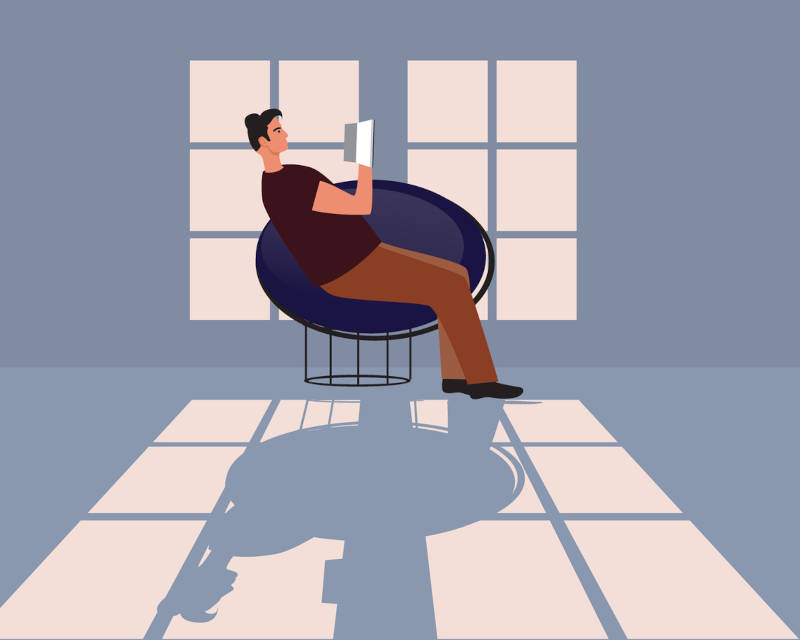
Social anxiety and introversion can look similar from the outside. Someone who avoids large gatherings, prefers spending time alone, or feels uncomfortable in unfamiliar social situations may be described as “just introverted.” However, introversion is a personality trait, while social anxiety is a mental health condition that involves significant fear or distress related to social situations.
Understanding the difference can make it easier to recognize when someone may benefit from professional support. While an introverted person may simply prefer quieter environments, someone with social anxiety may want to connect with others but feel held back by fear of embarrassment, judgment, or rejection.
What Is the Difference Between Social Anxiety and Introversion?
The main difference is that introversion describes how a person naturally responds to social stimulation, while social anxiety involves fear and distress surrounding social interactions.
Introverted people can enjoy socializing, friendships, and meaningful conversations. They may simply prefer smaller groups, quieter environments, or spending time alone to recharge. Being introverted does not necessarily mean someone is shy or uncomfortable around other people.
Social anxiety, on the other hand, can cause intense worry about being judged, criticized, embarrassed, or rejected. A person may avoid social situations because they are afraid something will go wrong or that others will think negatively of them.
Someone can also be both introverted and socially anxious. The two are not mutually exclusive.
How Does Introversion Affect Social Behavior?
Introversion often means that a person gains energy from solitude and may find extended social interaction tiring.
An introverted person might enjoy attending a party but prefer leaving after a few hours. They may choose to spend a weekend reading, watching a movie, pursuing a hobby, or spending time with a close friend rather than attending a large event.
Importantly, introversion does not automatically create distress. An introverted person may be perfectly comfortable with their preferences and may not feel that anything needs to change.
An introvert can also be confident, outgoing, and socially skilled. They may simply choose when and how they interact with others.
What Does Social Anxiety Feel Like?
Social anxiety can involve persistent fear of social or performance situations in which a person believes they could be judged or evaluated.
Someone experiencing social anxiety may worry extensively before an interaction, feel physically uncomfortable during it, and replay the situation afterward. They might think about whether they said something embarrassing, sounded awkward, or made a poor impression.
Physical symptoms can include sweating, trembling, rapid heartbeat, nausea, blushing, muscle tension, or difficulty speaking. Some people experience a strong urge to escape or avoid the situation altogether.
Unlike ordinary nervousness, social anxiety can interfere with relationships, education, work, or everyday activities.
Why Might Someone With Social Anxiety Avoid Other People?
Avoidance can temporarily reduce anxiety, which can make it especially difficult to break the cycle.
For example, someone might avoid speaking in meetings because they fear making a mistake. They may feel relieved when they do not have to speak, reinforcing the idea that avoidance kept them safe. Over time, they may begin avoiding increasingly more situations.
A person might decline invitations, avoid making phone calls, hesitate to meet new people, or choose activities that minimize interaction with strangers. In more severe cases, social anxiety can significantly restrict a person’s daily life.
An introverted person may also decline invitations, but the reason can be very different. They might simply prefer a quiet evening at home rather than feeling afraid of what will happen if they attend.
How Can You Tell Whether Someone Is Introverted or Experiencing Social Anxiety?
A useful question is whether the person’s social preferences are driven primarily by comfort and preference or by fear and distress.
Consider someone who prefers having dinner with two close friends instead of attending a large party. If they feel comfortable with that decision and do not particularly want to attend the party, introversion could explain the preference.
Now consider someone who wants to attend but stays home because they are convinced everyone will judge them. If they spend hours worrying about the event and feel disappointed about missing it, anxiety may be playing a larger role.
The key distinction is not simply whether someone spends time alone. It is why they avoid or limit social interaction and whether doing so causes significant distress or impairment.
Can Introversion and Social Anxiety Happen at the Same Time?
Yes, a person can be both introverted and socially anxious.
For example, an introverted person might genuinely prefer small gatherings while also experiencing intense fear when meeting unfamiliar people. Their introversion may influence the types of social situations they enjoy, while social anxiety may make certain interactions unnecessarily difficult.
This distinction matters because treatment does not need to turn an introverted person into an extrovert. The goal of treatment for social anxiety is generally to help people manage distress and participate in life according to their own values and goals.
Someone can remain introverted while becoming more comfortable speaking with coworkers, meeting new people, attending events, or maintaining relationships.
What Other Mental Health Conditions Can Overlap With Social Anxiety?
Social anxiety can occur alongside other mental health concerns. For example, a person may also experience depression or PTSD. In some cases, symptoms can overlap, making it difficult to determine what is driving social withdrawal or avoidance.
Other concerns, including ADHD, bipolar disorder, or OCD, may also occur alongside anxiety.
That does not mean social discomfort automatically indicates another mental health condition. A professional evaluation can help determine whether symptoms are related to social anxiety, another condition, multiple conditions, or normal personality differences.
When Should Someone Consider Treatment for Social Anxiety?
Treatment may be worth considering when fear or avoidance begins interfering with daily life, relationships, work, school, or activities a person wants to participate in.
For example, someone may benefit from professional support if they consistently avoid social opportunities they would otherwise enjoy, experience intense physical symptoms during interactions, or spend substantial amounts of time worrying about how others perceive them.
Treatment can also be appropriate when social anxiety contributes to isolation or makes it difficult to pursue personal or professional goals.
Seeking help does not mean a person needs to become more outgoing. Instead, treatment can focus on reducing anxiety and helping the individual feel more capable of making choices without excessive fear controlling those choices.
How Is Social Anxiety Commonly Treated?
Therapy is one common approach to treating social anxiety. Cognitive-behavioral therapy (CBT) can help people identify anxious thought patterns and develop healthier ways of responding to feared situations.
Depending on a person’s needs, treatment may also incorporate dialectical behavior therapy (DBT) skills or group therapy. Group-based treatment can provide opportunities to practice communication and coping skills in a supportive environment.
For people whose anxiety is connected to difficult past experiences, trauma-informed therapy may also be appropriate.
Treatment should be individualized rather than based solely on whether someone identifies as introverted or extroverted.
What Should You Remember About Social Anxiety vs. Introversion?
Introversion and social anxiety are not the same thing. Introversion is a personality characteristic involving a preference for lower levels of social stimulation, while social anxiety involves significant fear or distress related to social situations.
An introverted person can have healthy, fulfilling relationships and feel comfortable with their social preferences. Someone with social anxiety may want greater social connection but feel unable to pursue it because of fear, worry, or avoidance.
Recognizing that difference can prevent people from dismissing significant anxiety as “just being shy” or assuming that an introverted personality needs to be changed.
How Can Pioneer Behavioral Health Help With Social Anxiety?
If anxiety is interfering with your relationships, work, school, or everyday life, professional treatment can provide structured support and practical coping strategies. Pioneer Behavioral Health is a mental health and addiction treatment facility offering outpatient care for people dealing with anxiety and other mental health concerns.
Pioneer Behavioral Health has two locations in Massachusetts:
And one location in Illinois:
To learn more about available treatment options or discuss whether care may be appropriate for you, call 844-609-3018.