


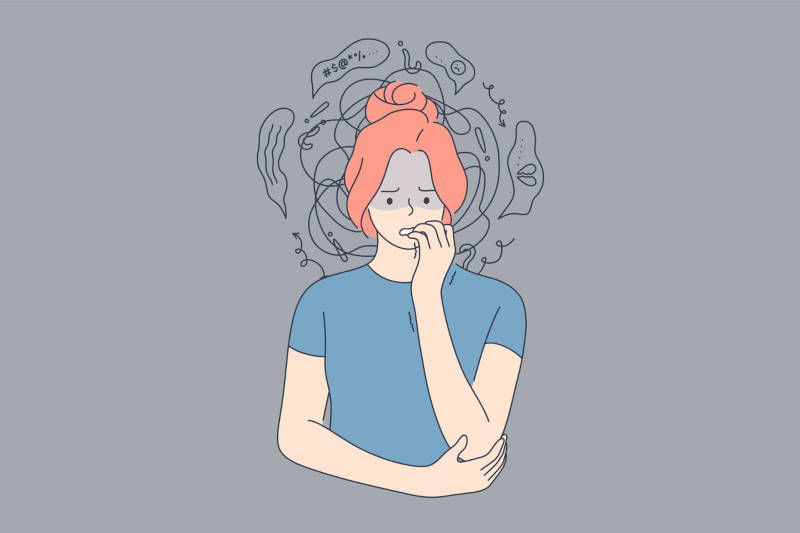
The terms “panic attack” and “anxiety attack” are often used interchangeably, but they do not necessarily mean the same thing. Both can involve intense emotional and physical symptoms, including fear, a racing heart, shortness of breath, and feelings of being overwhelmed. However, panic attacks and anxiety attacks can differ in how quickly they begin, how intense their symptoms become, and what triggers them.
Understanding the difference can help people recognize what they are experiencing and determine when professional mental health support may be appropriate. While occasional feelings of anxiety are a normal part of life, recurring or severe symptoms can interfere with relationships, work, school, and daily functioning.
What Is the Difference Between a Panic Attack and an Anxiety Attack?
The primary difference is that a panic attack is a clinically recognized phenomenon, while “anxiety attack” is a commonly used term rather than a formal diagnosis. A panic attack typically involves an intense and sudden surge of fear or discomfort that reaches its peak relatively quickly. Symptoms can feel overwhelming and may occur unexpectedly or in response to a feared situation.
An anxiety attack, on the other hand, generally describes a period of escalating anxiety or emotional distress. The symptoms may develop more gradually and can be connected to ongoing worry, stress, uncertainty, or a specific situation.
Both experiences can feel frightening. Someone experiencing either one may feel a loss of control or worry that something is seriously wrong. Understanding the differences can provide useful context, but persistent symptoms should always be taken seriously.
What Does a Panic Attack Feel Like?
A panic attack often begins suddenly and can produce intense physical sensations. Some people experience panic attacks without an obvious trigger, while others have them in situations that cause fear or distress.
Common symptoms of a panic attack can include:
- A rapid or pounding heartbeat
- Shortness of breath or a feeling of being unable to breathe
- Chest discomfort or tightness
- Sweating
- Trembling or shaking
- Dizziness or lightheadedness
- Nausea or stomach discomfort
- Chills or hot flashes
- Numbness or tingling sensations
- Feeling detached from oneself or one’s surroundings
- An intense fear of losing control
- Fear of dying or experiencing a medical emergency
The physical symptoms of a panic attack can be so intense that people sometimes believe they are having a heart attack or another serious medical problem. If someone is experiencing chest pain, difficulty breathing, or other symptoms that could indicate a medical emergency, they should seek immediate medical attention rather than assuming the symptoms are caused by panic.
What Does an Anxiety Attack Feel Like?
An anxiety attack generally refers to a period when anxiety becomes particularly intense. Unlike a panic attack, which often appears suddenly, anxiety symptoms may build over time as worry and stress increase.
For example, someone may spend hours or days worrying about an upcoming event, relationship problem, financial concern, work responsibility, or other stressful situation. As the anxiety increases, they may experience physical symptoms such as muscle tension, restlessness, difficulty concentrating, irritability, fatigue, or trouble sleeping.
Anxiety can also create physical sensations such as a racing heartbeat, sweating, stomach discomfort, and shortness of breath. Because there is considerable overlap between anxiety and panic symptoms, the experiences can sometimes be difficult to distinguish.
Do Panic Attacks Start More Suddenly Than Anxiety Attacks?
In many cases, yes. Panic attacks are often characterized by a sudden and intense increase in fear or discomfort. A person may feel relatively calm one moment and then experience severe physical and emotional symptoms shortly afterward.
Anxiety, however, often develops gradually. Worry may begin with a stressful thought or situation and continue to increase over time. Someone might feel increasingly tense as they think about a problem, anticipate an upcoming event, or deal with ongoing stress.
That does not mean every experience follows the same pattern. Mental health symptoms can vary significantly from person to person, and individuals may experience both ongoing anxiety and sudden panic attacks.
Are Panic Attacks More Intense Than Anxiety Attacks?
Panic attacks are generally associated with a more sudden and intense peak of physical and emotional symptoms. The experience can be extremely frightening, particularly when someone has never experienced one before.
However, this does not mean that anxiety is less serious or less disruptive. Chronic or severe anxiety can have a significant impact on a person’s quality of life. Constant worry and physical tension can affect sleep, concentration, relationships, and the ability to manage everyday responsibilities.
The severity of symptoms is not the only factor that matters. How frequently symptoms occur and how much they interfere with daily life are also important considerations.
What Causes Panic Attacks and Anxiety Attacks?
Panic and anxiety symptoms can develop for many different reasons. Stressful life events, major transitions, ongoing pressure, and unresolved emotional experiences can all contribute to increased anxiety.
Some people may also experience symptoms related to specific mental health conditions. For example, panic and anxiety can occur alongside depression, PTSD, or OCD. Difficult or distressing experiences involving trauma may also contribute to symptoms for some individuals.
Other factors, including sleep problems, significant stress, certain substances, medical conditions, and family history, may also play a role. A qualified healthcare or mental health professional can help identify factors that may be contributing to a person’s symptoms.
Can Someone Experience Both Panic Attacks and Anxiety?
Yes. A person can experience ongoing anxiety while also having occasional or recurring panic attacks. In some cases, persistent worry about having another panic attack can itself increase anxiety.
This cycle can become disruptive. Someone who has experienced a frightening panic attack may begin avoiding places, situations, or activities because they fear having another one. Over time, avoidance can interfere with work, relationships, social activities, and everyday independence.
Professional treatment can help individuals better understand this pattern and develop healthier ways to respond to anxiety and panic symptoms.
How Are Panic Attacks and Anxiety Symptoms Treated?
Treatment depends on the individual, their symptoms, and any underlying mental health concerns. A comprehensive assessment can help determine what level of care and treatment approach may be appropriate.
Evidence-based approaches may include cognitive-behavioral therapy (CBT), which can help individuals identify patterns of thinking and behavior that contribute to emotional distress. Dialectical behavior therapy (DBT) may also help individuals develop skills related to emotional regulation, distress tolerance, and mindfulness.
Group therapy can provide an opportunity to build coping skills while receiving support from others who may be facing similar challenges. For individuals whose symptoms are connected to difficult past experiences, trauma-informed therapy can help ensure treatment recognizes the potential impact of those experiences.
Depending on an individual’s needs, medication management and other clinical services may also be considered as part of a comprehensive treatment plan.
When Should Someone Seek Professional Help for Panic Attacks or Anxiety?
Professional support may be helpful when panic attacks or anxiety symptoms are recurring, becoming more severe, or interfering with daily life. It may also be time to seek help if someone begins avoiding important activities, struggles to manage work or school responsibilities, experiences ongoing sleep problems, or feels overwhelmed by worry.
Seeking treatment does not require waiting until symptoms become unbearable. Early support may help individuals understand their symptoms and develop effective coping strategies before anxiety and avoidance become more disruptive.
Where Can You Get Help for Panic Attacks and Anxiety?
If panic attacks, persistent anxiety, or other mental health symptoms are affecting your daily life, professional support is available. Pioneer Behavioral Health provides mental health and addiction treatment designed to help individuals better understand their challenges and develop healthier ways to manage them.
Pioneer Behavioral Health has two locations in Massachusetts:
And one location in Illinois:
Whether you are experiencing recurring panic attacks, persistent anxiety, or another mental health concern, reaching out for support can be an important first step. Call 844-609-3018 to learn more about treatment options at Pioneer Behavioral Health and take the next step toward improved mental health and well-being.