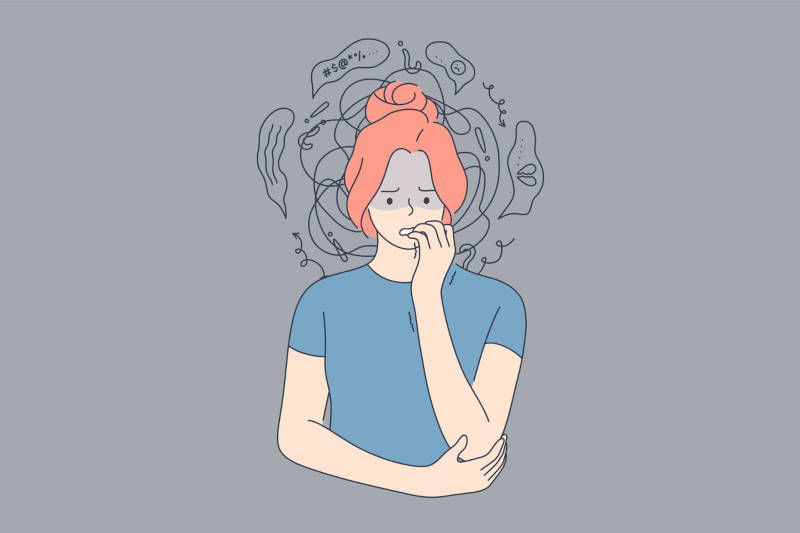



Mental health crises rarely happen without warning. In many cases, people experience subtle emotional, behavioral, and physical changes long before their symptoms reach a breaking point. Recognizing these early warning signs can help individuals seek support sooner, reduce the risk of severe consequences, and improve long-term outcomes.
Whether someone is living with anxiety, depression, bipolar disorder, PTSD, or another mental health condition, understanding the indicators of a developing crisis can be life-changing. Early intervention often leads to more effective treatment and a faster path toward stability and recovery.
What Is a Mental Health Crisis?
A mental health crisis occurs when a person’s emotional or psychological distress becomes overwhelming and begins to interfere significantly with their ability to function safely or effectively in daily life.
A crisis may involve intense depression, severe anxiety, panic attacks, suicidal thoughts, psychosis, self-harming behaviors, extreme mood swings, or an inability to cope with everyday responsibilities. While crises can develop suddenly, many are preceded by noticeable changes in mood, behavior, thinking patterns, and physical health.
Understanding these warning signs can help individuals, family members, and friends identify when professional support may be needed.
How Can Changes in Mood Signal a Mental Health Crisis?
One of the earliest indicators of a developing mental health crisis is a noticeable shift in mood.
Someone may become:
- More irritable than usual
- Frequently angry or frustrated
- Overwhelmingly sad
- Emotionally numb
- Easily overwhelmed by small challenges
- Unusually anxious or fearful
These emotional changes often persist for weeks rather than days. Friends and loved ones may notice that the person no longer seems like themselves or reacts differently to situations that previously would not have caused distress.
When mood changes become persistent, intense, or disruptive, they may indicate that a deeper mental health issue is developing.
Why Is Social Withdrawal an Important Warning Sign?
Many people experiencing mental health challenges begin pulling away from others.
Social withdrawal can include:
- Avoiding family gatherings
- Ignoring calls or messages
- Spending excessive time alone
- Canceling plans frequently
- Losing interest in friendships
Isolation often worsens mental health symptoms because it removes sources of support and connection. For individuals struggling with depression, anxiety, trauma, or substance use disorders, withdrawal can become both a symptom and a contributing factor to worsening distress.
If someone who was previously social suddenly becomes isolated, it may be a sign that they are struggling internally.
What Behavioral Changes Should Raise Concern?
Behavioral changes are often among the most visible indicators of a potential mental health crisis.
Examples may include:
- Missing work or school frequently
- Neglecting personal hygiene
- Increased impulsive behavior
- Reckless decision-making
- Sudden aggression
- Difficulty completing routine tasks
- Increased substance use
These behaviors often reflect an individual’s declining ability to cope with emotional stress. What may appear as laziness, irresponsibility, or poor choices can actually be signs of a worsening mental health condition.
Significant behavioral changes should not be ignored, especially when they appear suddenly or continue over time.
How Do Sleep Problems Relate to Mental Health Crises?
Sleep and mental health are closely connected.
Early warning signs may include:
- Insomnia
- Difficulty falling asleep
- Frequent waking during the night
- Sleeping excessively
- Nightmares
- Chronic fatigue
Lack of sleep can worsen symptoms of depression, anxiety, bipolar disorder, and other conditions. Conversely, worsening mental health symptoms often disrupt normal sleep patterns.
When significant sleep disturbances continue for several weeks, they may indicate that a person’s mental health is deteriorating.
Can Physical Symptoms Indicate a Mental Health Crisis?
Mental health conditions frequently produce physical symptoms that people may not immediately connect to emotional distress.
Common physical warning signs include:
- Frequent headaches
- Muscle tension
- Digestive problems
- Unexplained aches and pains
- Changes in appetite
- Low energy levels
- Rapid heart rate
- Panic symptoms
Chronic stress and emotional strain affect the body’s nervous system, often creating physical symptoms before a person fully recognizes their psychological struggles.
Persistent physical complaints without a clear medical explanation may warrant a mental health evaluation.
What Thinking Patterns May Suggest Someone Is Approaching a Crisis?
Changes in thought patterns often occur before a mental health crisis becomes severe.
Warning signs can include:
- Constant worry
- Racing thoughts
- Difficulty concentrating
- Feelings of hopelessness
- Excessive guilt
- Increased paranoia
- Negative self-talk
- Persistent feelings of worthlessness
Individuals may begin viewing situations through an increasingly negative lens and feel unable to see solutions to their problems.
These cognitive changes can significantly impair judgment and decision-making, making it harder to seek help without outside support.
How Can Increased Substance Use Signal Mental Health Problems?
Many individuals attempt to manage emotional pain through alcohol or drugs.
Warning signs may include:
- Drinking more frequently
- Using substances to cope with stress
- Escalating drug use
- Needing substances to feel normal
- Using substances alone
- Experiencing cravings during emotional distress
Substance use often masks underlying mental health concerns temporarily while making symptoms worse over time.
Because mental health disorders and substance use disorders frequently occur together, increasing substance use should be viewed as a potential warning sign rather than a separate issue.
When Should Changes in Daily Functioning Be Taken Seriously?
A person’s ability to manage daily responsibilities often reflects their mental well-being.
Potential warning signs include:
- Falling behind at work
- Academic decline
- Difficulty managing finances
- Missing appointments
- Neglecting household responsibilities
- Struggling with basic self-care
When mental health symptoms begin interfering with everyday functioning, professional support is often necessary.
Waiting until responsibilities completely fall apart can make recovery more difficult and prolong suffering.
Why Are Feelings of Hopelessness Especially Concerning?
Hopelessness is one of the most serious warning signs of a developing mental health crisis.
Someone experiencing hopelessness may believe:
- Things will never improve
- They are a burden to others
- Nothing they do matters
- Their situation is impossible to change
These beliefs can increase the risk of self-harm and suicidal thinking.
Any expression of hopelessness should be taken seriously, especially when combined with withdrawal, severe depression, or significant behavioral changes.
If someone talks about wanting to die, feeling trapped, or believing others would be better off without them, immediate professional help should be sought.
What Should You Do If You Notice Early Warning Signs?
Taking action early can prevent symptoms from escalating into a full crisis.
Helpful steps include:
- Talking openly about concerns
- Encouraging professional evaluation
- Reaching out to trusted family members
- Improving sleep habits
- Reducing alcohol and drug use
- Increasing social support
- Creating a safety plan if necessary
- Seeking mental health treatment promptly
Early intervention can reduce symptom severity, improve treatment outcomes, and help individuals regain stability before their situation becomes overwhelming.
How Can Professional Treatment Help Prevent a Mental Health Crisis?
Mental health professionals are trained to identify risk factors, assess symptoms, and develop personalized treatment plans.
Treatment may include:
- Individual therapy
- Group therapy
- Psychiatric evaluation
- Medication management
- Trauma-informed care
- Dual diagnosis treatment for co-occurring substance use disorders
- Intensive outpatient programs (IOP)
- Partial hospitalization programs (PHP)
Receiving support early often leads to better outcomes and helps individuals develop healthier coping skills before symptoms become severe.
Get Mental Health Crisis Treatment at Pioneer Behavioral Health
If you or someone you love is experiencing early warning signs of a mental health crisis, help is available. The sooner treatment begins, the easier it may be to prevent symptoms from worsening and regain control of your life.
Pioneer Behavioral Health provides comprehensive mental health and addiction treatment services for individuals struggling with emotional, behavioral, and substance use challenges. Our compassionate team offers personalized care designed to support lasting recovery and improved well-being.
Contact Pioneer Behavioral Health today at 844-609-3018 to speak with a member of our team and learn more about your treatment options.
You do not have to face mental health challenges alone. Contact Pioneer Behavioral Health today to learn about treatment options and begin your journey toward healing and recovery.