
Panic Attack vs. Anxiety Attack: What’s the Difference?
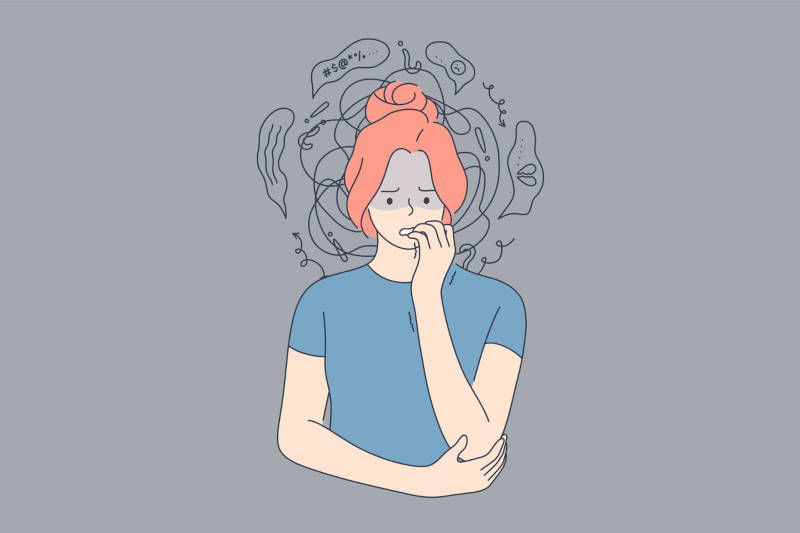
The terms “panic attack” and “anxiety attack” are often used interchangeably, but they do not necessarily mean the same thing. Both can involve intense emotional and physical symptoms, including fear, a racing heart, shortness of breath, and feelings of being overwhelmed. However, panic attacks and anxiety attacks can differ in how quickly they begin, how […]
Healthy Coping vs. Self-Medication: What’s the Difference?

Everyone experiences difficult emotions from time to time. Stress, sadness, worry, frustration, grief, and emotional exhaustion are all part of being human. The ways people respond to those feelings, however, can have a significant impact on their mental and physical well-being. Some coping strategies help people process challenges and build resilience, while others may provide […]
Depression vs. Burnout: What’s Really Causing Your Symptoms?

Feeling exhausted, unmotivated, emotionally drained, or unable to keep up with everyday responsibilities can be frightening. Many people wonder whether they are experiencing burnout, depression, or simply a temporary period of stress. While burnout and depression can share several symptoms, they are not the same thing—and understanding the difference can help you recognize when additional […]
Anxiety vs. Stress: How to Tell the Difference
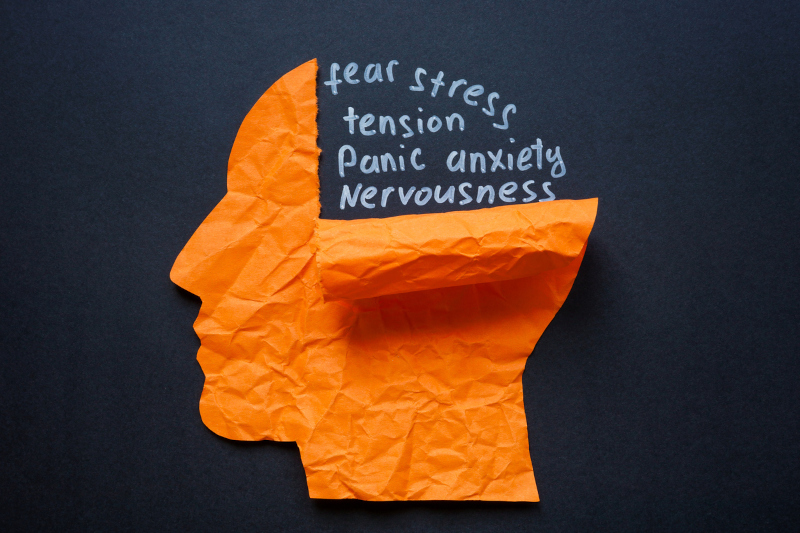
Anxiety and stress differ in causes, symptoms, and duration, with stress linked to specific external challenges and anxiety involving excessive, persistent worry; Pioneer Behavioral Health in Massachusetts offers specialized anxiety treatment to help individuals develop coping skills and improve mental health when symptoms interfere with daily life.
Detox vs. Addiction Treatment: Why Both Matter

Detox and addiction treatment serve distinct but complementary roles in recovery, with detox managing withdrawal symptoms safely and addiction treatment addressing the root causes and supporting long-term sobriety; Pioneer Behavioral Health in Western MA offers detox placement services and comprehensive treatment programs to guide individuals through both steps effectively.
PHP vs. IOP: What’s the Difference?

Pioneer Behavioral Health offers both Partial Hospitalization Programs (PHP) and Intensive Outpatient Programs (IOP) in Massachusetts, providing structured, evidence-based addiction and mental health treatment tailored to individual needs, with PHP delivering more daily therapeutic support and IOP offering greater flexibility for ongoing recovery.
Group Therapy vs. Individual Therapy: Which Works Best?

Pioneer Behavioral Health emphasizes group therapy for mental health and addiction recovery, highlighting its benefits like peer support, accountability, and skill development, while noting that individual therapy can be useful in certain cases; their structured outpatient programs foster lasting recovery through community and clinical guidance.
How Social Media Can Negatively Impact Mental Health

Social media platforms like Instagram and TikTok can negatively impact mental health by increasing anxiety, depression, low self-esteem, and exposure to cyberbullying, while also disrupting sleep and emotional well-being, making it essential to recognize warning signs and adopt healthier online habits.
Early Warning Signs of a Mental Health Crisis

Recognizing early warning signs of a mental health crisis, such as mood changes, social withdrawal, behavioral shifts, sleep disturbances, physical symptoms, altered thinking patterns, increased substance use, and declining daily functioning, can lead to timely intervention and better outcomes through professional treatment at facilities like Pioneer Behavioral Health.
How Boundaries Support Better Mental Health and Recovery

Healthy boundaries are essential for mental health and addiction recovery, helping individuals protect emotional energy, reduce stress, and build healthier relationships while fostering self-respect and resilience; support from therapy and professional treatment can further strengthen these skills to promote long-term wellness.
Differences Between Occasional Substance Use and Dependence

This post explains the key differences between occasional substance use and substance dependence, highlighting signs like loss of control, tolerance, withdrawal symptoms, and impact on daily life, while emphasizing the importance of early recognition and professional treatment available at Pioneer Behavioral Health in Massachusetts.
How Perfectionism Can Fuel Anxiety, Depression, and Addiction

Perfectionism involves setting unrealistically high standards and fearing mistakes, which can lead to chronic stress, anxiety, depression, burnout, and substance use disorders. Recognizing unhealthy perfectionistic patterns and seeking support, such as from Pioneer Behavioral Health in Massachusetts, can help individuals develop healthier coping skills and pursue lasting recovery.
The Link Between Chronic Stress and Substance Use Disorders

Chronic stress can significantly impact mental and physical health, increasing the risk of substance use disorders as individuals may turn to alcohol or drugs to cope with ongoing emotional strain, highlighting the importance of early intervention and professional treatment at facilities like Pioneer Behavioral Health for lasting recovery.
9 Signs It May Be Time to Consider Outpatient Treatment

Outpatient treatment offers flexible, professional support for individuals struggling with mental health or substance use issues who still need to manage daily responsibilities, helping them recognize warning signs such as difficulty controlling use, relationship problems, or declining performance before symptoms worsen, with Pioneer Behavioral Health providing tailored care in Massachusetts.
Why Shame Keeps People From Seeking Addiction Treatment

Shame is a significant barrier preventing many individuals with addiction from seeking treatment, as it fuels feelings of unworthiness, fear of judgment, and isolation, yet overcoming shame through supportive care and professional help can lead to recovery and renewed hope at centers like Pioneer Behavioral Health.
7 Misconceptions About Bipolar Disorder

Bipolar disorder is a serious, treatable mental health condition often misunderstood due to myths like it being just moodiness, rare, or caused by personal weakness; with proper treatment including therapy and medication, individuals can lead stable, fulfilling lives, and seeking help is a sign of strength.
The Difference Between Trauma, PTSD, and Complex PTSD

Trauma refers to emotional responses to distressing events that may result in temporary or lasting effects, while PTSD is a diagnosable condition with symptoms like flashbacks and avoidance after a single trauma, and Complex PTSD arises from prolonged trauma causing deeper emotional and relational difficulties, all requiring tailored treatment approaches.
How Trauma Impacts Mental Health and Paths to Healing
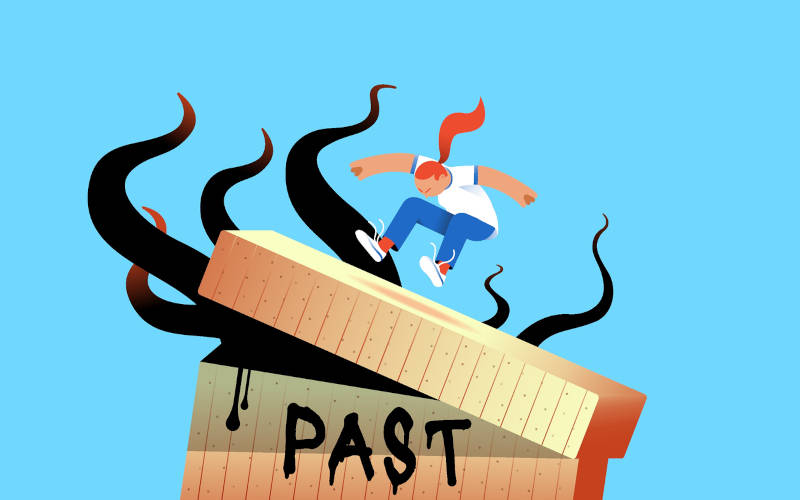
Trauma impacts mental health through conditions like anxiety, depression, PTSD, and substance abuse, often affecting relationships and physical well-being, but healing is possible through therapy, support systems, self-care, and early intervention, with Pioneer Behavioral Health offering compassionate, evidence-based treatment in Massachusetts.
Burnout vs. Depression: 7 Important Differences

Burnout is a state of emotional and physical exhaustion tied to specific stressors like work, while depression is a clinical mental health disorder affecting all life areas with persistent symptoms regardless of circumstances. Understanding their differences is key to appropriate treatment and recovery.
8 Impressive Benefits of Online Therapy

Online therapy offers numerous benefits including increased accessibility, expanded provider choice, reduced stigma, cost-effectiveness, continuity of care, emotional comfort, diverse communication options, and evidence-based effectiveness, making it a transformative and accessible solution for mental health support in Longmeadow, MA.
What You Should Know About Alcohol Detox

Alcohol detox is a crucial first step in overcoming dependence, involving the body’s elimination of toxins under medical supervision to manage withdrawal symptoms and support recovery; Pioneer Behavioral Health in Longmeadow, MA offers compassionate, comprehensive detox and outpatient treatment to help individuals reclaim health and hope.
How Motivational Interviewing Supports Addiction Recovery

Motivational interviewing (MI), developed by William Miller and Stephen Rollnick, is a compassionate counseling method used in addiction treatment to empower individuals by fostering intrinsic motivation, reducing relapse risk, and enhancing engagement through empathetic dialogue and collaborative planning, as practiced at Pioneer Behavioral Health in Longmeadow, MA.
9 Thoughtful Ways to Help a Loved One Start Rehab

This guide offers nine compassionate strategies to help a loved one begin rehab, emphasizing education, empathetic communication, support, and persistence, while highlighting Pioneer Behavioral Health’s flexible outpatient programs in Longmeadow, MA, as a resource for recovery and ongoing care.
The Importance of Trauma-Informed Care

Trauma-informed care is a compassionate approach recognizing trauma’s impact on behavior and brain development, emphasizing safety, trust, empowerment, and cultural sensitivity to support healing in diverse settings like healthcare, education, and addiction treatment, as practiced at Pioneer Behavioral Health in Longmeadow, MA.
The Role of a Sponsor in Addiction Recovery

A sponsor plays a crucial role in addiction recovery by offering empathy, motivation, accountability, and guidance through challenges such as relapse risks, while connecting individuals to valuable resources and fostering lasting support relationships to help maintain long-term sobriety.
10 Ways to Manage OCD Naturally

Managing OCD naturally involves mindfulness, a healthy diet, gentle exposure therapy, stress reduction, strong support networks, cautious use of supplements, journaling, creative expression, gratitude practices, and pairing these strategies with professional treatment, as offered by Pioneer Behavioral Health in Longmeadow, MA.
How Drug Addiction Ages Your Body in 7 Different Ways

Drug addiction accelerates aging in seven key ways, including cellular damage, premature skin and hair aging, oral health decline, weakened immunity, and serious organ damage, but recovery through comprehensive treatment at Pioneer Behavioral Health in Longmeadow, MA can help slow or reverse these effects and improve overall quality of life.
9 Ways Group Therapy Helps Addiction Recovery

Group therapy in addiction recovery fosters connection, self-reflection, and accountability while building supportive communities and enhancing communication skills, helping individuals overcome isolation, shame, and stigma. It also boosts self-esteem, offers new coping strategies, and provides a safe space to practice healthy relationships for lasting recovery.
Exploring the “Sober Curious” Movement

The “sober curious” movement encourages individuals to intentionally explore life with little or no alcohol without committing to full abstinence, focusing on self-awareness, health, and authentic living, and has gained popularity alongside wellness trends, changing social norms, and the rise of non-alcoholic alternatives.
How Long Does Alcohol Stay in Your System?

Alcohol stays in the system for hours after drinking, with detection times varying by test type and individual factors like body weight, sex, age, and health; understanding alcohol metabolism is crucial for making safe choices about driving, work, and medical care.
BPD Splitting and Why it Happens

Splitting in borderline personality disorder (BPD) is a defense mechanism causing individuals to see people and experiences as all good or all bad, leading to emotional instability and strained relationships; it often arises from deep fears of abandonment and can be managed through therapies like DBT, mindfulness, and supportive care.
Understanding and Recognizing the Warning Signs of Relapse

Relapse in addiction recovery often begins with emotional and mental warning signs like mood swings, isolation, and rationalizing substance use before progressing to behavioral changes such as neglecting responsibilities and physical signs including poor hygiene and health decline, making early recognition and support crucial.
Recognizing the Signs of Sports Betting Addiction

Sports betting has become widely accessible and popular through online platforms, but this convenience also increases the risk of developing a dangerous addiction characterized by compulsive gambling behaviors and financial troubles; help is available in Longmeadow, MA at Pioneer Behavioral Health for those seeking recovery.
8 Ways to Cope With Negative News

In an age of overwhelming negative news, it’s crucial to set media boundaries, choose credible sources, practice mindfulness, and balance negativity with positive stories while prioritizing self-care, purposeful action, gratitude, and seeking support to maintain mental health and resilience.
The Rise of Porn Addiction in the Digital Age

The article explores how easy digital access to pornography has contributed to rising porn addiction, detailing eight warning signs such as loss of control, growing time spent, emotional reliance, and strained relationships, while encouraging those affected in Longmeadow, MA to seek support from Pioneer Behavioral Health.
Balancing a Full-Time Job With Addiction Recovery

Balancing full-time work with addiction recovery requires focus, self-discipline, and a strong support system to manage stress, workplace triggers, and self-care while maintaining sobriety. Embracing structure, setting boundaries, and staying connected to recovery resources like Pioneer Behavioral Health in Longmeadow, MA, can help achieve lasting wellness.
Setting Healthy Boundaries With Someone Struggling With Addiction

Setting healthy boundaries when supporting someone with addiction is crucial for protecting your emotional well-being, fostering mutual respect, and encouraging accountability; this guide offers practical steps and examples to help you establish limits with empathy and resilience while prioritizing your own self-care.
Are Weight Loss Pills Addictive?

Weight loss pills, including prescription medications like phentermine and OTC supplements, can lead to psychological and physical addiction due to their stimulant ingredients affecting appetite and energy, with risks including mood instability and serious health issues; treatment options in Longmeadow, MA, offer medical detox, therapy, and nutritional counseling for recovery.
8 Drug Addiction Causes

Addiction often develops gradually through various causes such as curiosity, emotional distress, prescription drug misuse, social influence, genetic predisposition, escaping reality, chronic stress, and performance enhancement, highlighting the importance of personalized prevention and support in Longmeadow, MA.
Why Making Amends is Crucial to Addiction Recovery

Making amends, a key part of the 12-step recovery process, helps individuals heal emotional wounds caused by addiction through accountability, rebuilding trust, and fostering inner peace, ultimately supporting lasting sobriety and personal growth in a compassionate, courageous way.
25 Commonly Asked Questions About Heroin

This comprehensive guide covers 25 common questions about heroin, detailing its effects, addiction risks, signs, treatment options like medication-assisted treatment and detox, overdose awareness, withdrawal symptoms, and support strategies, with resources available at Pioneer Behavioral Health in Longmeadow, MA, to aid recovery and long-term sobriety.
Weed Detox: What to Expect and How to Navigate It

Weed detox involves the natural process of eliminating THC from the body, which can take days to weeks depending on usage patterns, and may cause withdrawal symptoms like irritability, anxiety, and sleep issues; professional support is available in Longmeadow, MA, through Pioneer Behavioral Health for those seeking guidance and treatment.
7 Ways to Manage Stress in Your Daily Life

This post offers seven practical strategies to manage stress, including mindfulness, healthy lifestyle choices, time management, supportive relationships, relaxation techniques, setting boundaries, and practicing gratitude, while highlighting the support available at Pioneer Behavioral Health in Longmeadow, MA for those seeking professional help.
Your First 30 Days of Recovery: What to Expect

The first 30 days of recovery involve detoxification, establishing a healthy daily routine, building a supportive network, managing triggers and cravings, and navigating emotional ups and downs, with tailored support available at Pioneer Behavioral Health in Longmeadow, MA to help lay a strong foundation for lasting sobriety.
How Art Therapy Supports Addiction Recovery

Art therapy at Pioneer Behavioral Health supports addiction recovery by enabling individuals to safely explore emotions, process trauma, manage cravings, and rebuild self-worth through creative expression, complementing traditional treatments and fostering resilience, self-awareness, and lasting healing in a supportive outpatient setting in Longmeadow, MA.
Outpatient Treatment and College Students

College students face widespread risks from substance misuse, including alcohol, stimulants, and marijuana, which can jeopardize health and academics; outpatient treatment at Pioneer Behavioral Health in Longmeadow, MA offers flexible, evidence-based support that enables students to recover without interrupting their education.
Dual Diagnosis: Substance Abuse and Mental Health

Dual diagnosis refers to the co-occurrence of substance use disorder and mental health conditions like depression or anxiety, requiring integrated treatment to effectively address both issues simultaneously for lasting recovery. Pioneer Behavioral Health in Longmeadow, MA offers personalized, evidence-based therapies alongside holistic care and family involvement to support healing at every stage.
Integrating the 12 Steps in Addiction Recovery

Integrating the 12 Steps with therapies like CBT and DBT creates a comprehensive addiction recovery approach that addresses emotional, mental, and behavioral challenges, fostering long-term sobriety through structured guidance, peer support, and personalized care at Pioneer Behavioral Health in Longmeadow, MA.
10 Ways to Cope With Gambling Addiction

Gambling addiction severely impacts finances, relationships, and well-being, but recovery is possible with strategies like professional therapy, support groups, trigger avoidance, financial control, and healthy coping tools. Pioneer Behavioral Health in Longmeadow, MA offers personalized care to support lasting change and healing.
Harmful Effects of Cocaine Addiction on the Brain and Body

Cocaine addiction causes severe damage to the brain and body, including heart strain, nasal tissue death, lung issues, immune system suppression, pregnancy complications, and serious mental health disorders, but recovery is possible with comprehensive treatment available at Pioneer Behavioral Health in Longmeadow, MA.
How to Recognize Repressed Trauma Signs

Repressed trauma occurs when the mind blocks painful memories, leading to emotional and physical symptoms like anxiety, memory gaps, or unexplained fears; recognizing signs such as emotional numbness or chronic physical issues is crucial, and healing options include therapy, mindfulness, and professional support in Longmeadow, MA.
7 Important Relapse Prevention Strategies

Effective relapse prevention involves recognizing triggers, building a strong support network, developing healthy coping skills, maintaining a structured routine, spotting early relapse signs, avoiding toxic relationships, and seeking professional help when needed to sustain long-term sobriety. Pioneer Behavioral Health in Longmeadow, MA, offers resources for ongoing recovery support.
6 Ways to Silence Your Inner Critic

This article explains the impact of negative self-talk, identifies common patterns of inner criticism, and offers six practical strategies—including self-compassion, mindfulness, journaling, and healthy habits—to help silence your inner critic, along with professional support available at Pioneer Behavioral Health in Longmeadow, MA.
7 Ways to Say No to Drugs During Addiction Recovery

This article outlines seven effective strategies to resist peer pressure and maintain sobriety during addiction recovery, including confident refusal, changing environments, building coping skills, and leaning on supportive recovery communities, emphasizing the importance of affirming commitment to health and personal growth.
Cognitive-Behavioral Therapy (CBT) and Addiction Treatment

Cognitive-Behavioral Therapy (CBT) is an effective, evidence-based approach for treating addiction by helping individuals identify triggers, reshape harmful thoughts, build coping skills, and prevent relapse, with flexible integration into comprehensive treatment plans like those at Pioneer Behavioral Health in Longmeadow, MA.
Hidden Dangers of Mixing Alcohol and Drugs

Mixing alcohol with prescription, over-the-counter, or recreational drugs can cause dangerous interactions leading to impaired judgment, overdose, organ damage, and other serious health risks. Pioneer Behavioral Health emphasizes the importance of understanding these dangers and offers support for those seeking recovery and lasting sobriety.
Therapy and the 12 Steps in Addiction Recovery

Therapy methods like CBT, DBT, and the 12 Steps complement each other in addiction recovery by addressing cognitive, emotional, and spiritual challenges, helping individuals achieve long-term sobriety through self-reflection, emotional regulation, and peer support within structured treatment programs such as those offered at Pioneer Behavioral Health.
Risks of Partying: How Occasional Drug Use Can Lead to Dependence

Occasional drug use during partying can quickly escalate into dependence, affecting emotional health, relationships, and responsibilities, but recognizing warning signs, setting boundaries, and seeking support from resources like Pioneer Behavioral Health can help maintain balance and promote recovery.
Why Mental Health Check-ins Are Important

Mental health check-ins are essential for maintaining emotional balance by regularly assessing your feelings, managing stress, preventing burnout, and encouraging self-care practices like journaling, mindfulness, and seeking support to promote overall well-being and early intervention when needed.
The Link Between Stress, Self-Medication, and Addiction

Chronic stress often leads individuals to self-medicate with substances like alcohol or drugs, providing temporary relief but increasing the risk of addiction; developing healthy coping strategies such as exercise, mindfulness, proper sleep, and therapy can help break this cycle and improve overall well-being.